REVIEW · AO NANG
Ao Nang: Hands-on Learn to Cook 3 Popular Thai’s street food
Book on GetYourGuide →Operated by Authentic Thai Cooking School · Bookable on GetYourGuide
Thai cooking, but make it practical.
This hands-on Ao Nang class is built for real people with real schedules: you cook three traditional Thai dishes in about 150 minutes, then you eat what you make. I like the fact that you get to choose your menu, so it feels personal (and you don’t end up stuck with something you don’t want).
Two big reasons this works so well. First, the kitchen is described as clean and open-air, with a laid-back family-style setup that keeps things moving. Second, you don’t just learn in theory: you get a PDF recipe book so you can recreate your dishes at home, not just remember the smell.
The main drawback to plan around is simple: there’s no pickup. You’ll need your own ride (often a Grab taxi) to get there and back.
In This Review
- Quick hits before you book
- Ao Nang Thai street food in 150 minutes
- Walk into a clean open-air kitchen, learn without stress
- How the class flows: soup first, main next, salad last
- Choosing your menu: the three decisions that shape your whole lesson
- Soup lessons: local chicken soup or coconut milk chicken soup
- Your main dish: Pad Thai, holy basil, or cashew chicken
- Pad Thai
- Fried holy basil
- Cashew nuts with chicken
- Salad finale: papaya or cucumber for the bright finish
- What you take home: PDF recipes and activity photos
- Instructor style: humor, clarity, and real help when you need it
- Price and value: why $28 can feel like a bargain
- Who this class fits best (and when it might not)
- Practical tips for Ao Nang timing and getting there
- Should you book this Ao Nang cooking class?
- FAQ
- What dishes can I choose to cook?
- Is the class suitable for vegans, vegetarians, or gluten-free participants?
- Do I get a recipe book and photos after the class?
- How long is the cooking class, and is instruction in English?
- Is pickup or transportation included?
- Is alcohol included in the price?
- What cancellation options do I have?
Quick hits before you book
- Choose-your-own menu: pick a soup, a main (like Pad Thai, holy basil, or cashew chicken), and a salad (papaya or cucumber)
- Hands-on, not watch-only: you’re working at the station, not standing on the sidelines
- Diet-friendly by request: vegan, vegetarian, and gluten-free options are available if you tell them ahead of time
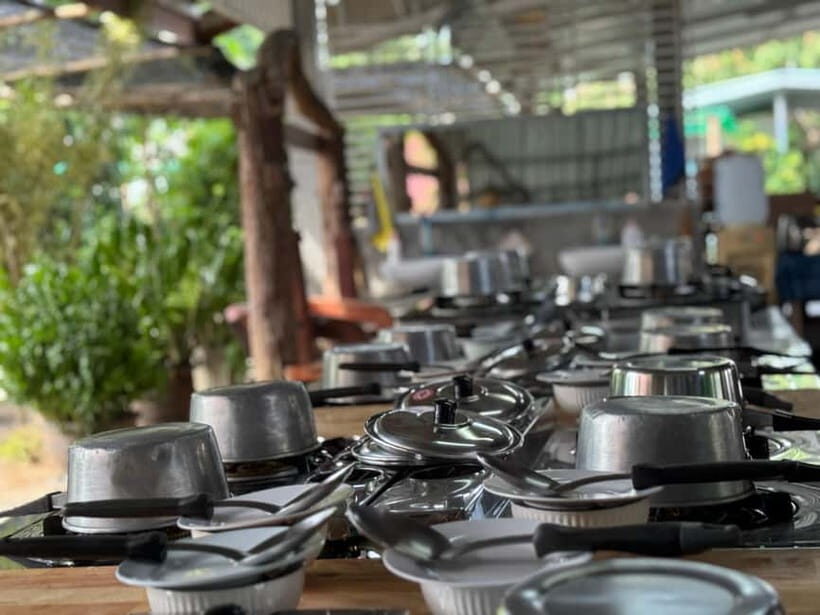
- Clean open-air kitchen: a family-style cooking space that feels comfortable and practical
- Take home the instructions: a PDF recipe book plus photos from the activity
- The vibe is often small-group: many people describe it as relaxed and personal, helped along by the instructor
Ao Nang Thai street food in 150 minutes
If your Krabi plan includes beach time, night markets, and a bit of chaos, this class is a calm win. In about two and a half hours, you’ll go from shopping-list brain to cooker mode. You pick a small menu, cook it yourself, then sit down and eat it.
The whole thing is designed around three popular Thai categories: soup, stir-fry or noodle-ish comfort food, and a fresh salad finish. That structure matters. It means you learn flavors that show up everywhere in Thailand, and you practice the core moves you’ll actually use later.
The price is $28 per person, and that’s the real story. You’re not paying for a quick tasting. You’re paying for ingredients, instructor guidance in English, a recipe PDF, and even photos. If you’ve ever tried to “copy” Thai cooking at home from a vague recipe, you know that part is usually the hard step. This class tries to remove that guesswork.
Other Ao Nang tours we've reviewed in Ao Nang



Walk into a clean open-air kitchen, learn without stress
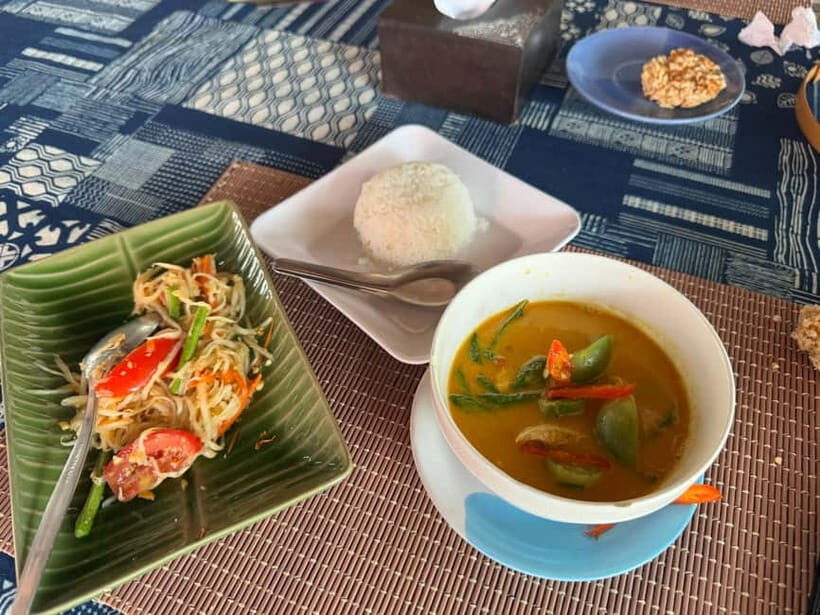
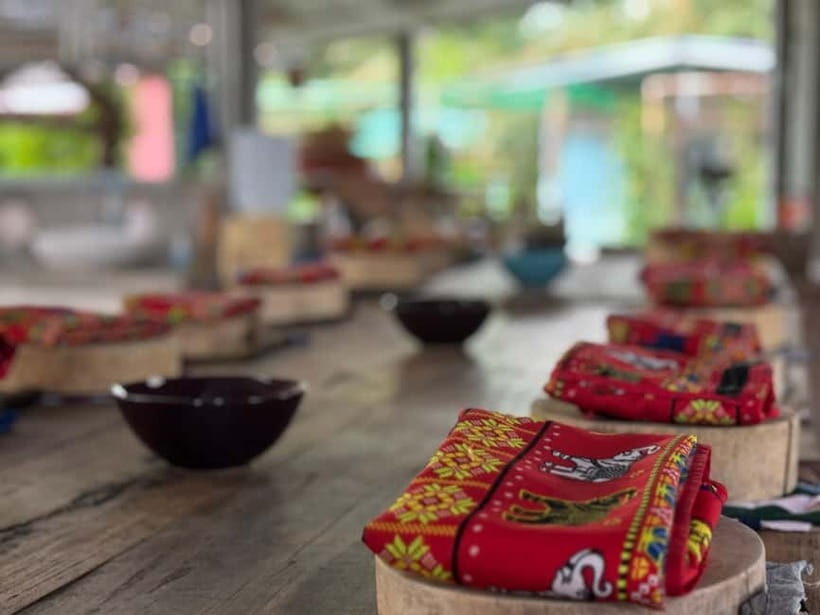
The setting is part of the appeal: a clean, open-air kitchen in a Thai family-style setup. You’re not packed into a fluorescent classroom. You’re cooking in a space that feels built for real food work—chopping, mixing, tasting, adjusting.
And yes, the instructor is the engine. People consistently bring up that the hosts are friendly, funny, and hands-on with everyone’s progress. Names that come up include New, Tu, Gataii, and Khun An (among others). What matters for you is the teaching style: clear steps, quick fixes when someone messes up a sauce, and patience when you need an extra moment.
Here’s what that means in plain terms: you should finish this class feeling like you could cook again. Not just “I liked it.” More like “I get how it comes together.”
How the class flows: soup first, main next, salad last
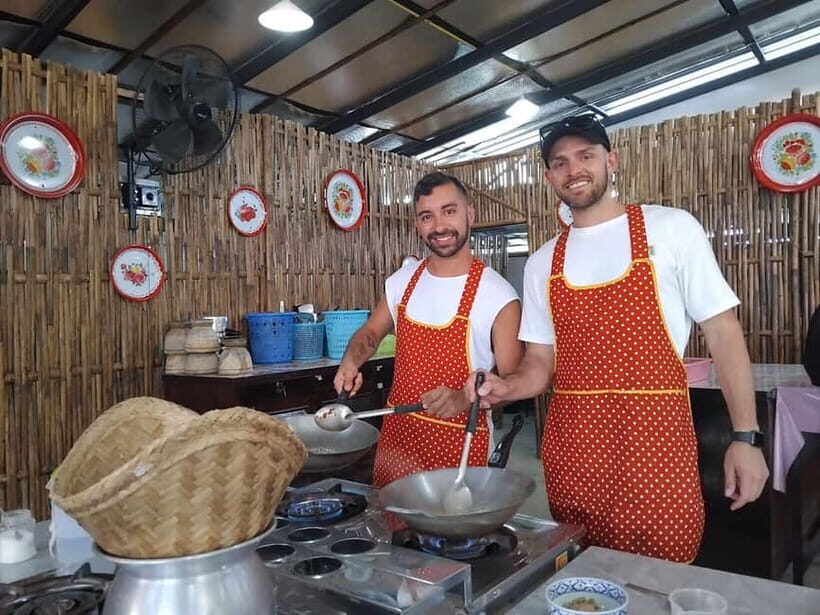
The timing is tight but not rushed. Your session is typically organized around three phases: soup, main dish, and then a salad to end. Reviews often describe it as you cook a soup, make the main course, and wrap with a fresh salad plate.
That order is smart. Soup teaches balance (salt, sour, aromatics). The main dish gives you the big flavor payoff—stir-frying and adjusting taste. The salad comes last so the flavors stay bright and you’re not stuck with everything heavy.
Also, don’t stress about dishwashing. Many people note that the team takes care of cleanup, so you can focus on cooking and eating instead of turning into an unpaid sous-chef.
Choosing your menu: the three decisions that shape your whole lesson
You choose your own set of three dishes from these options:
- Soup option (pick 1)
- Local chicken soup, or
- Chicken in coconut milk soup
- Main option (pick 1)
- Pad Thai, or
- Fried holy basil, or
- Cashew nuts with chicken
- Salad option (pick 1)
- Papaya salad, or
- Cucumber salad
That “pick your own” approach is one of the most practical parts of the experience. It lets you match the cooking to your taste and skill level. Want something tangy and bright? Choose papaya or cucumber salad. Want something comforting and familiar? Pick Pad Thai. Like herbal flavors and heat? Holy basil is your move. Prefer creamy richness? Coconut milk soup.
If you tell them about dietary needs ahead of time, the class can adapt. Vegans, vegetarians, and gluten-free participants are welcome, as long as you communicate restrictions in advance.
Soup lessons: local chicken soup or coconut milk chicken soup
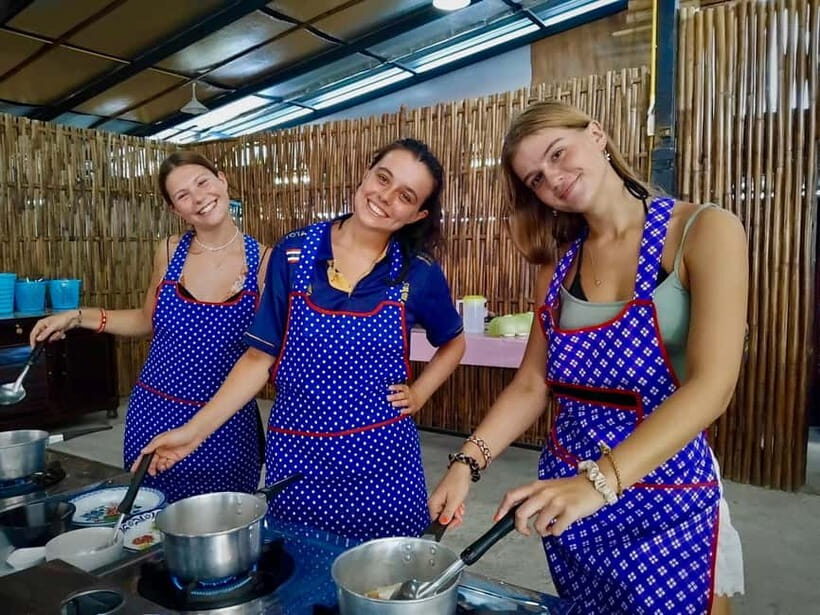
The soup block is where you start building your Thai flavor toolkit. Even if you’ve never cooked Thai food before, soups are forgiving: you can taste and adjust quickly without worrying that one missed step ruins the whole dish.
You’ll make one of two soup styles:
1) Local chicken soup
2) Chicken in coconut milk soup
Coconut milk soups tend to feel rounder and more comforting, while local chicken soup styles usually push more into light, savory aromatics. The instruction focuses on how to get the flavor balance right, not just how to follow a list.
A useful detail for your expectations: some ingredients may already be prepped (like chopped onion, carrot, or lime), which speeds things up and helps beginners keep up.





Your main dish: Pad Thai, holy basil, or cashew chicken
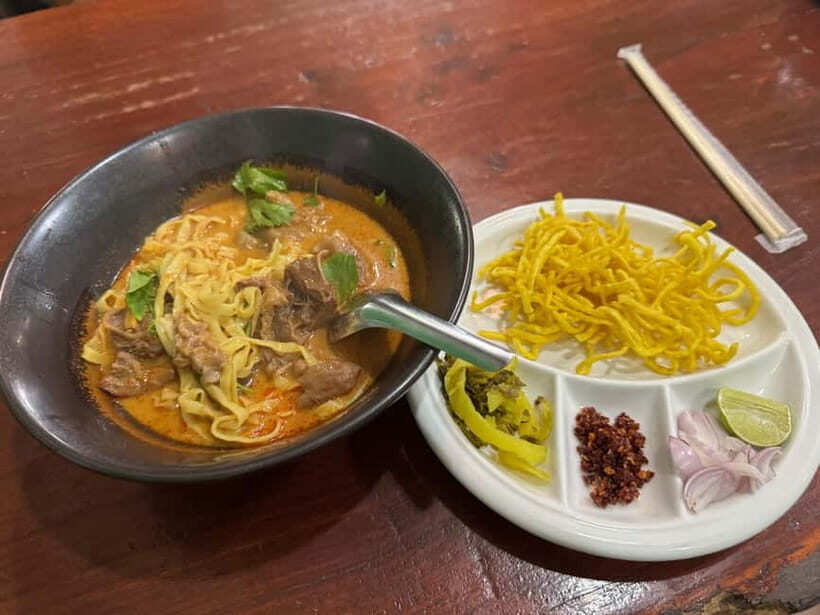
This is the centerpiece. It’s also where you’ll practice the kind of cooking that makes Thai food taste so right.
Pad Thai
If you’ve only ever had Pad Thai from restaurants, making it yourself is a reality check—in a good way. You’ll learn how the sauce comes together, how to work noodles and toppings, and how taste adjustments happen in the moment.
Fried holy basil
Holy basil is a flavor you can recognize instantly: aromatic, slightly spicy, and bold. If you like food with a strong herb profile, this is the one. And yes, you can usually adjust how spicy you want, as long as you communicate preferences.
Cashew nuts with chicken
This option leans into a crunchy-nutty vibe with savory sauce and tender chicken. It’s a great choice if you want something that feels both weeknight-cookable and still “Thai enough” to impress.
Across all three mains, the instructor keeps the group moving and helps you correct mistakes without embarrassment. People mention a very chill approach—mistakes get turned into jokes, then fixed. That kind of atmosphere matters more than you’d think. It keeps the class fun, and it helps you actually learn.
Salad finale: papaya or cucumber for the bright finish
The salad portion is where Thai food shows its personality. Thai salads aren’t side dishes—they’re flavor reset buttons.
You’ll choose:
- Papaya salad (often more tangy and assertive), or
- Cucumber salad (crisp, cooling, and sharp)
Either way, you’ll learn how Thai salads balance sweet, sour, salty, and heat. And since salad is usually the last dish, it helps you end with something fresh after a soup and a main.
People also note that the class is accommodating for different needs, and the staff can substitute where needed (including vegetarian or vegan-friendly changes).
What you take home: PDF recipes and activity photos
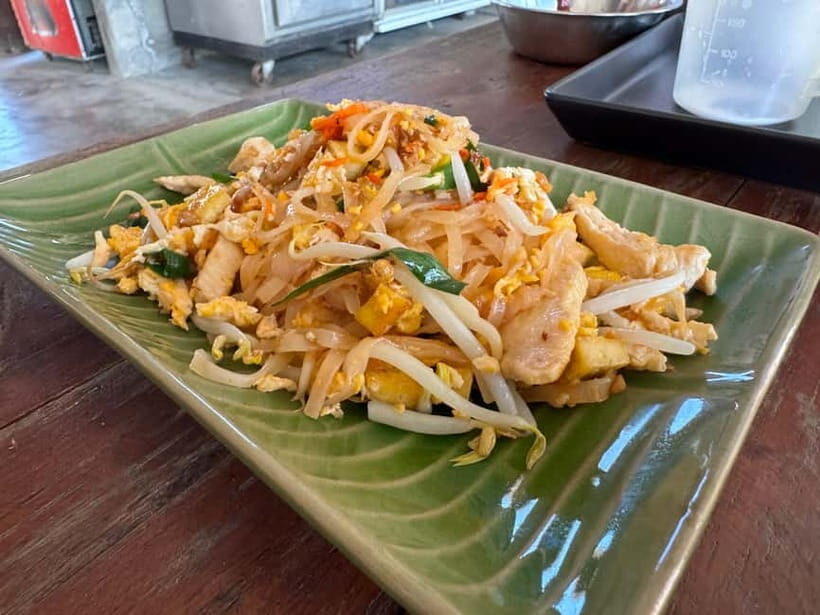
This class doesn’t treat the recipe PDF like an afterthought. You get a PDF recipe book, and it’s described as substantial, with enough detail that it feels practical for cooking at home later.
That alone is a strong value point. A lot of classes give you a postcard recipe. This gives you something you can actually follow.
You also get photos of the activity. In other words, you can share your dishes with friends and family and not just keep the memories in your phone. It’s a small thing, but it makes the whole experience feel more complete.
Instructor style: humor, clarity, and real help when you need it
A recurring theme is the instructor’s energy. Names like New, Tu, Gataii, Poppy, and Mac show up often in people’s stories, and the common thread is how they teach.
What you should expect:
- Clear guidance in English
- Step-by-step help so beginners don’t feel lost
- A relaxed, funny atmosphere that keeps nerves down
- Quick adjustments if your sauce or seasoning is off
Even better, people mention that the instructor checks in so everyone knows what they’re cooking, not just the confident cooks. That’s a big deal if you’re coming with friends or kids, or if you don’t cook much at home.
Price and value: why $28 can feel like a bargain
At $28 per person for 150 minutes, the value comes from what’s included:
- Hands-on cooking class
- All ingredients
- Drinking water
- PDF recipe book
- Photos
You’re also not paying extra for core learning materials. And since you cook three dishes, you’re getting more than “one skill.” You’re learning soup, a main dish, and a salad—so you walk away with a small menu you can repeat.
Alcohol isn’t included, though you can buy it. If you’re not planning to drink, that keeps the price clean. If you are planning to drink, budget extra since it’s purchase-only.
Who this class fits best (and when it might not)
This is a great fit if you want:
- A practical Thai cooking lesson you can repeat
- A guided experience with enough flexibility for dietary needs
- Something more interactive than a market tour
- A class that works for different ages and cooking comfort levels
It’s also a solid option for families. People describe it as enjoyable for kids, since there’s clear participation and a fun group vibe.
Possible mismatch:
- If you hate mess or hands-on food work, cooking classes can feel stressful. Even with cleanup help, you’ll still be actively cooking.
- If you rely on pickup/drop-off from your hotel, you’ll need to arrange your own transportation because pickup isn’t offered.
Practical tips for Ao Nang timing and getting there
No pickup means you should think about how you’ll arrive and leave. Grab taxis are often the easiest plan, but you may have to wait or manage how to find a ride on the way back.
Also:
- Wear something you can get splattered in. Soup and sauces happen.
- Eat before you go only if you’re used to cooking without getting hungry. You’ll cook and then eat what you made.
- If you have dietary restrictions, message them before you arrive. The class can handle vegan, vegetarian, and gluten-free options, but you need to tell them in advance.
Should you book this Ao Nang cooking class?
I’d book it if you want a real Thai cooking skill set, not a short show-and-tell. The combo of hands-on cooking, choose-your-own menu, and a PDF recipe book is exactly what makes it worth your time in Krabi.
Skip it only if you need pickup service, hate hands-on activities, or already have a very detailed Thai cooking routine at home that you’re trying to perfect. For most people visiting Ao Nang, this is one of the most direct ways to turn Thailand food into something you can cook again.
FAQ
What dishes can I choose to cook?
You pick three dishes: one soup (local chicken soup or chicken in coconut milk soup), one main (Pad Thai, fried holy basil, or cashew nuts with chicken), and one salad (papaya salad or cucumber salad).
Is the class suitable for vegans, vegetarians, or gluten-free participants?
Yes. Vegan, vegetarian, and gluten-free options are available upon request. Let the operator know your dietary restrictions in advance.
Do I get a recipe book and photos after the class?
Yes. You receive a PDF recipe book and photos of the activity.
How long is the cooking class, and is instruction in English?
The class lasts 150 minutes, and the instructor speaks English.
Is pickup or transportation included?
No. There is no pickup or transportation service included.
Is alcohol included in the price?
Alcohol is not included, but it is available for purchase.
What cancellation options do I have?
You can cancel up to 24 hours in advance for a full refund, and there’s a reserve now & pay later option.