REVIEW · AO NANG
Ao Nang: Authentic Thai Local Cooking Class
Book on GetYourGuide →Operated by Authentic Thai Cooking School · Bookable on GetYourGuide
Your next Thai dinner starts in the kitchen.
This Ao Nang class turns you from hungry tourist into confident cook, with step-by-step coaching and the real goal of learning Thai flavor building. You’ll be picked up, cooked alongside an English-speaking instructor, and then eat what you make in a Thai family-style sit-down meal. The digital PDF recipes mean you can repeat it at home without guesswork.
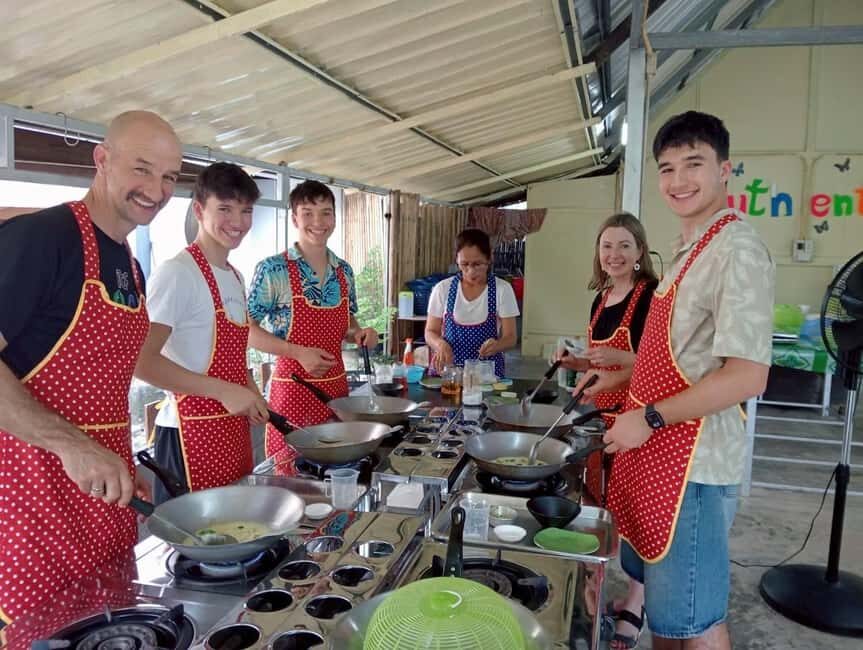
I love two things most. First, the class is truly hands-on—you make major components yourself, including curry paste. Second, the menu options flex for real diets, including vegetarian and vegan needs and common allergy requests.
One consideration: you’ll leave with a full stomach. This is not a light snack class, so if you start the day with a big breakfast, you may wish you had saved room. Also note that the food plan is not built around alcohol, so if you want drinks, you’d need to buy them separately.
In This Review
- Key points you’ll care about
- From Ao Nang hotel pickup to a Thai kitchen you can handle
- Choosing what you’ll cook: curry, salads, soups, and classics
- The curry paste moment: the hands-on skill that pays off later
- If your class includes a market stop, this is why it matters
- The teaching rhythm: step-by-step prep and real kitchen work
- Your Thai family-style meal: eat the results, not samples
- Dietary needs and allergies: real options, not afterthoughts
- Price and value: what $48 buys you in real terms
- Transport coverage around Krabi: getting there without drama
- What to bring (and what to skip)
- Who this cooking class suits best
- Quick checklist before you book
- Should you book this Ao Nang Thai cooking class?
- FAQ
- How long is the cooking class?
- Is hotel pickup and drop-off included?
- Are vegetarian, vegan, or allergy-friendly options available?
- What kinds of dishes will I get to cook?
- Does the price include ingredients and a recipe book?
- Is alcohol included in the class?
Key points you’ll care about
- Curry paste made by you: the foundation skill that helps your future Thai cooking taste right
- Diet-friendly choices: vegetarian/vegan and food allergies can be accommodated
- Hotel pickup and drop-off: they’ll manage transport within Ao Nang and nearby areas
- A group meal at the end: you cook, then you sit and eat together
- PDF recipe book: you get a digital set of instructions to recreate the dishes later
From Ao Nang hotel pickup to a Thai kitchen you can handle

The first thing you’ll notice is how smooth the start is. You arrange a pickup from your hotel area in Ao Nang, Krabi Town, Ao Nam Mao, Klong Muang, and Tubkaek Beach. Your exact pickup time comes by email after booking, which helps you plan your afternoon without scrambling.
From there, the ride takes you to the cooking school where your instructor takes over. The class is set up so you’re not stuck watching. The language support is English, and the teaching style is built for people who cook at home only when the stove is already hot. Even if you’re a weak link in the kitchen, you’re given tasks that make sense.
In a trip like Krabi, it’s easy to do a hundred beach things. This is different. You get a skill you can reuse, plus a meal that feels like part of Thai daily life rather than a staged tasting.
Other Ao Nang tours we've reviewed in Ao Nang



Choosing what you’ll cook: curry, salads, soups, and classics
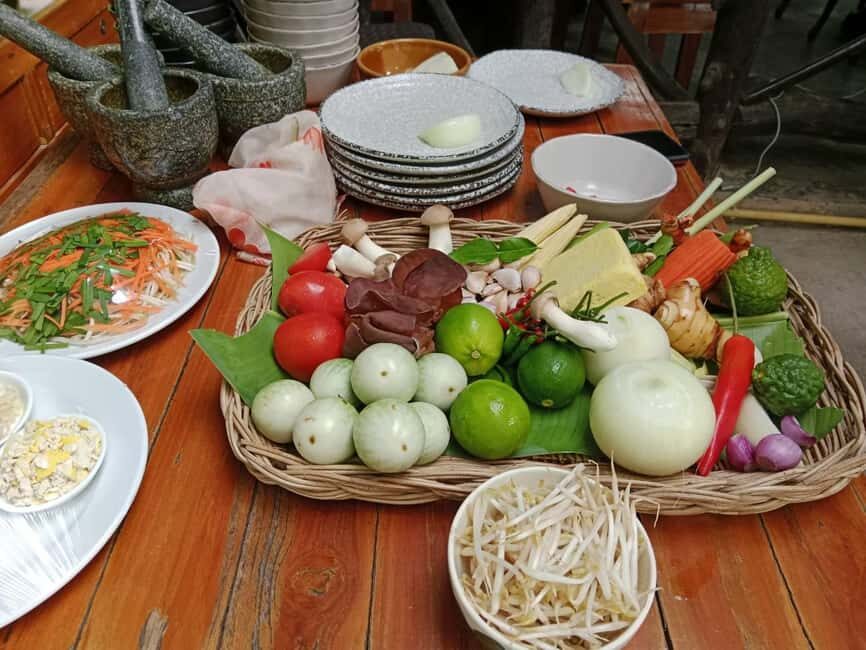
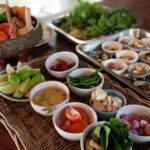
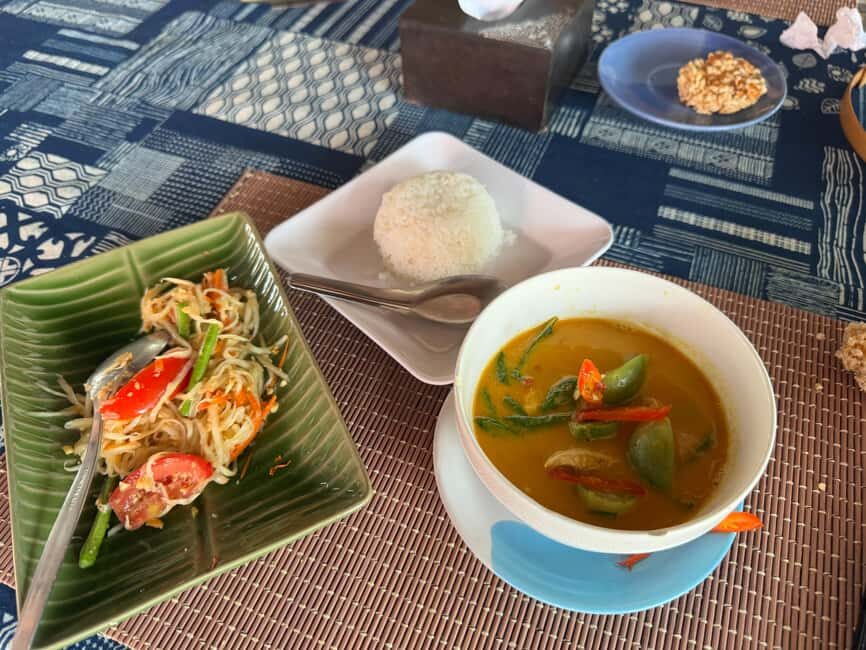
The class structure makes food choice feel personal. Instead of one fixed menu, you pick from a menu of Thai favorites. From the options listed, you’ll likely see combinations such as spring rolls, papaya salad (green or yellow), green or yellow curry, Thai soups, and dishes like pad Thai. Desserts can include mango sticky rice, and you may also see items like cashew-based plates depending on the menu that day.
What matters is how the choices translate into learning. Thai cooking isn’t only about taste. It’s also about texture and balance—sweet, salty, sour, and heat moving together. When you pick a curry and a salad, you naturally learn how the same ingredients show up in different ways.
A nice practical tip: if you want variety, consider splitting dishes with whoever you’re traveling with. One person can go heavy on curry, another on stir-fry or salad, and then you share. That way you taste more than one side of Thai flavor.
The curry paste moment: the hands-on skill that pays off later
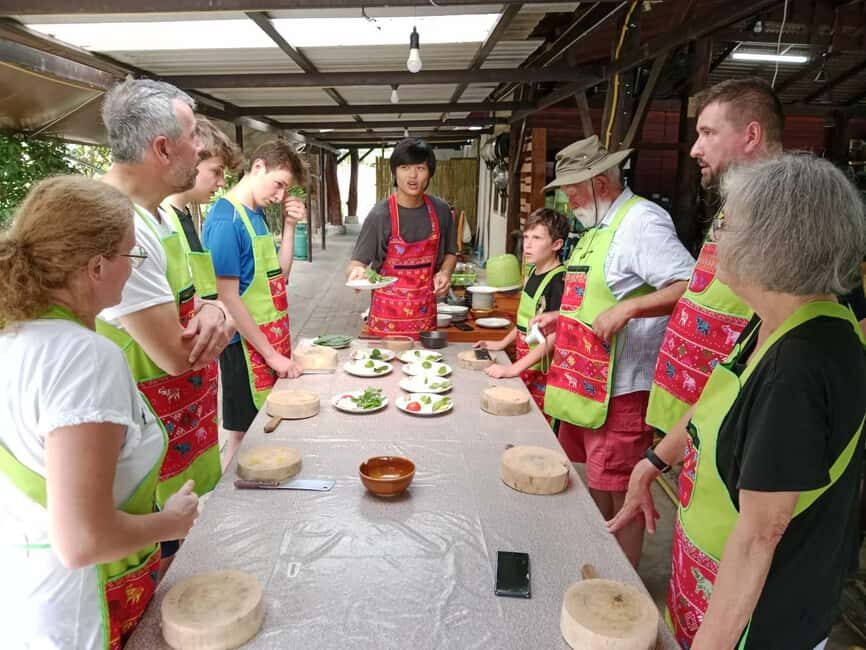
The highlight for many people is the curry paste you make yourself. This isn’t a gimmick where someone hands you pre-blended spice and you stir it for ten seconds. The point is to show you how curry paste gets its personality—garlic, chilies, aromatics, and seasonings pulled into a paste form that changes everything about the final curry.
If you do only one Thai cooking class and you care about recreating it later, this is why. When you learn curry paste, you learn the logic behind the dish. At home you won’t rely on a jar and hope it tastes right. You’ll understand why it tastes right.
You’ll also see how the paste becomes a starting point for different outcomes. The same flavor base can lead to different heat levels and depth depending on how it’s cooked and balanced with coconut milk, fish sauce (or vegetarian alternatives), and acid.
If your class includes a market stop, this is why it matters
Some versions of this experience add a market phase before you cook. When that happens, you’ll get a guided look at what ingredients look like before they enter a kitchen. You learn how to spot produce, how Thai herbs and aromatics are used, and which items are worth paying attention to.
The market part matters because Thai cooking is ingredient-driven. If you only learn a recipe, you still need the right flavors to make it work. When you see the produce and herbs in context, you get a mental map for what to buy later.
It’s also practical. You may taste small items along the way, which can help you decide how you want your dishes balanced. And if you’re the type who likes photos, this is one of the more interesting stops of the day beyond the beach.
The teaching rhythm: step-by-step prep and real kitchen work
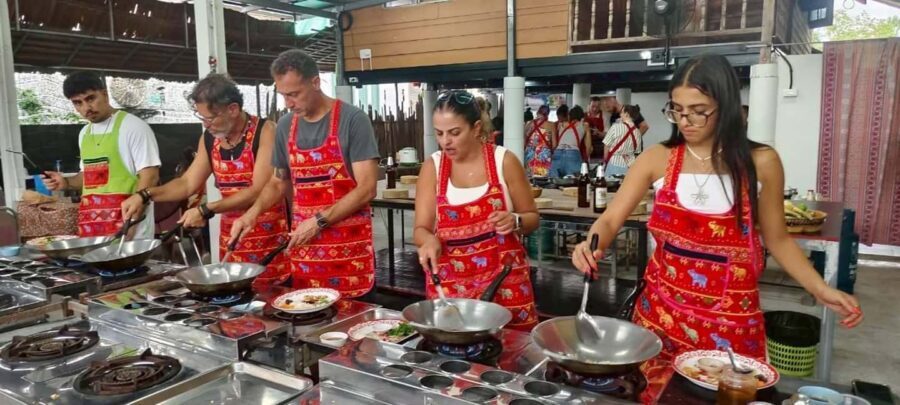
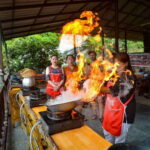
The class is built for momentum. You’re not waiting around while someone explains for an hour. You’re guided through the steps, then you do the prep and cooking. Tasks can include chopping, mixing, stir-frying, assembling spring rolls, and handling curry components.
A big quality signal here is the mix of instruction and freedom. In the better sessions, you’re encouraged to do most of the work rather than stand by while someone else finishes. That hands-on approach also makes the class feel less like a performance and more like you’re joining a family kitchen for the afternoon.
Instructors have names that pop up often in feedback—people like Poppy, Gataii, New, Annie, Christi, and Thiwa. The common thread is that they’re English-speaking and patient. The teaching style seems to focus on making you confident, not just making the food look pretty.
Other cooking classes in Ao Nang
Your Thai family-style meal: eat the results, not samples
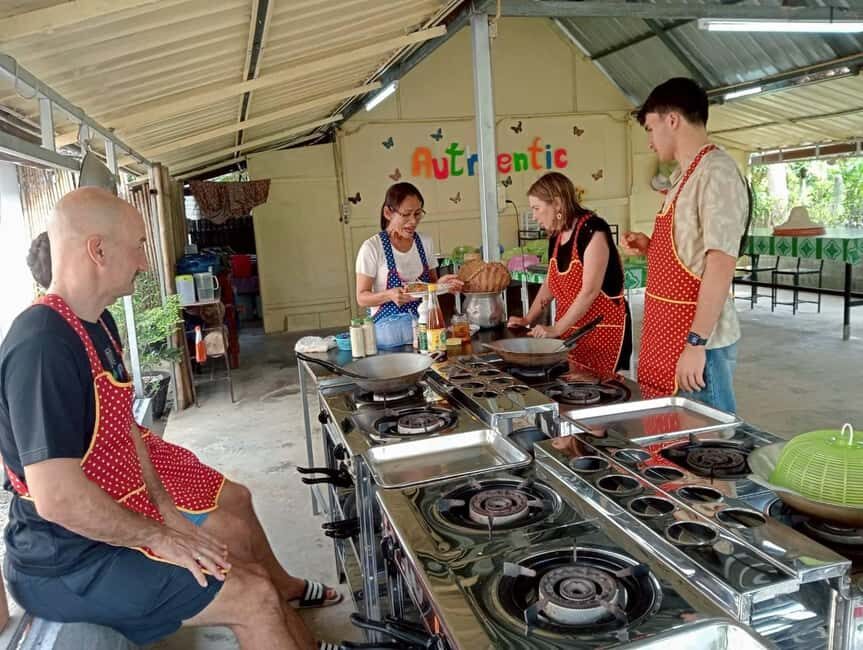
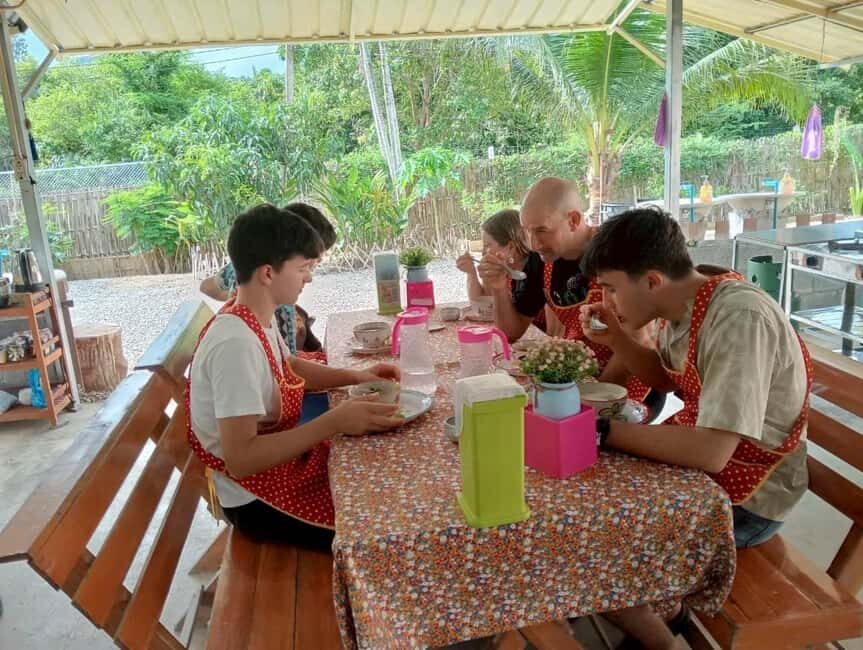
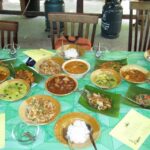
After cooking, you sit down and eat what you made together. This is a key part of the value. It’s not a quick bite-and-go. It’s a full meal format where you share dishes family-style.
That matters because Thai food is meant to be eaten together. You taste multiple flavors on the same table—sweet from sticky rice, sour from papaya salad, savory from curries, and crispy from spring rolls. When everything lands together, you finally understand the balance you were practicing during cooking.
This is also why you should come hungry. Several people point out you’ll leave with a lot of food. If you’re planning a later dinner after this, you might want to rethink it unless you enjoy the warm satisfaction of being completely done with cooking for the day.
Dietary needs and allergies: real options, not afterthoughts
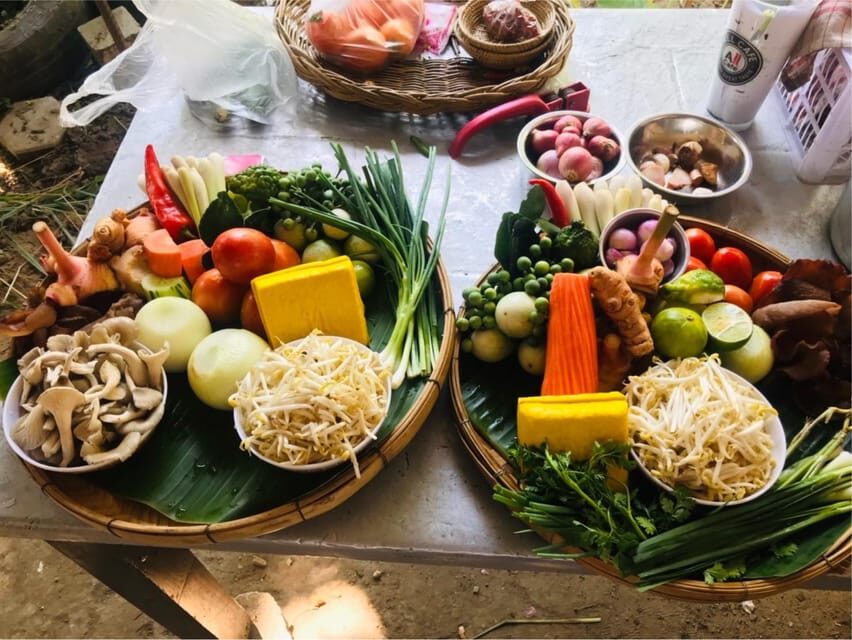
One of the strongest selling points is how open the class is to different diets. Vegans and vegetarians are welcome, and the class explicitly notes that people with allergies can participate.
The practical takeaway for you: when you book, make sure you flag your dietary needs clearly. That gives the kitchen a chance to adjust ingredients and methods so you can cook and eat safely. If you want a smoother experience, choose dishes that align with your diet preferences, but keep in mind the instructor can often steer you toward good substitutes.
If you’re traveling with someone who eats differently from you, this type of class can be a rare win. You’re not stuck doing separate activities. You’re sharing the same cooking space and then eating a meal that still matches your needs.
Price and value: what $48 buys you in real terms
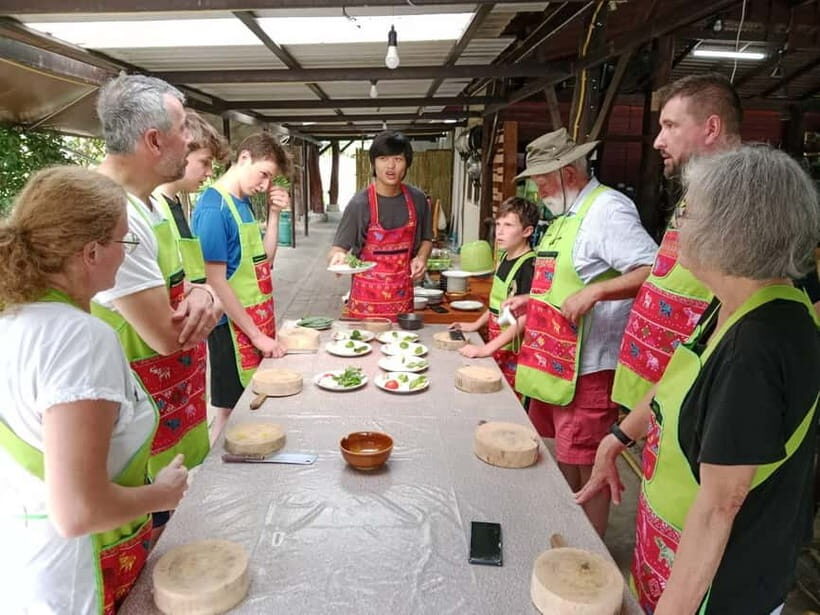
At $48 per person for about 210 minutes, you’re paying for more than a recipe. You’re paying for three big things: transport, instruction, and a meal with ingredients included.
Here’s how the value stacks up:
- Hotel pickup and drop-off saves time and reduces stress
- The class includes all ingredients, so you’re not doing mental math while shopping
- You get a PDF recipe book, which helps you recreate what you cooked at home
- The food is substantial enough to feel like a real meal, not a snack
Beer and alcohol aren’t included, but you can buy them separately. For many people, that makes the price feel cleaner. You’re not subsidizing alcohol while paying for a cooking class.
If you’re comparing this to restaurant meals, the difference is learning. You’ll eat your own work, and you’ll take home a skill that improves future meals—especially if you cook Thai food or want to impress friends without hunting for obscure ingredients.
Transport coverage around Krabi: getting there without drama
The pickup area is fairly wide for a local class, including Ao Nang, Krabi Town, Ao Nam Mao, Klong Muang, and Tubkaek Beach. If you’re staying in Railay Beach, the setup is straightforward: you can be picked up from the boat ticket office at Ao Nam Mao Pier, then it’s a about 15-minute longtail boat ride from Railay East.
If you’re in Ton Sai, you’ll meet at the Phra Nang Inn reception in Ao Nang. And if you’re at Centara Grand Beach Resort & Villas, you take the resort shuttle boat to Nopparat Thara Pier in Ao Nang.
Why this matters: it’s not just “here’s a pickup zone.” It’s specific. If you’re trying to line this up with your hotel, you’ll want to double-check your exact pickup instructions by email after booking.
What to bring (and what to skip)
Keep it simple. Wear comfortable clothes you can move in. You’ll be standing, cooking, and getting close to hot equipment.
Skip alcohol and drugs—those are listed as not allowed. If you want a drink, you’ll have to purchase it separately, and the class itself is clearly set up around cooking and eating, not partying.
And here’s a practical thought: if you’re sensitive to heat, plan for warm conditions. Krabi weather can be intense, and some market moments can mean time outside.
Who this cooking class suits best
This experience is a strong fit if you:
- Want Thai food that feels hands-on and personal
- Appreciate learning a core skill like curry paste
- Need vegetarian or vegan-friendly options
- Like the idea of a class that results in a real sit-down meal
It also works well for couples and small groups who want to cook, share dishes, and leave with the PDF recipes to keep the trip going at home.
If you’re traveling solo, you can still have a good time. The class format is designed for individuals to participate in the same group meal at the end.
Quick checklist before you book
- Choose your dishes when the menu is offered so you don’t end up with a regret curry
- Come hungry for the meal portion
- Flag dietary needs and allergies during booking
- Wear comfortable clothes you don’t mind getting a little kitchen energy on
Should you book this Ao Nang Thai cooking class?
I think it’s a yes for most people who want real value from Krabi beyond the beach. The big wins are the hands-on curry paste learning, the diet-friendly approach, and the fact that the cooking turns into a full family-style meal you eat right away. The PDF recipe book also makes it more than a one-day memory.
Skip it only if you’re looking for a light, fast activity or you don’t want to cook at all. This is a kitchen class, not a museum-style food walk.
If you want a practical souvenir—something you can recreate—this is one of the best kinds of Thai experiences to spend your afternoon on.
FAQ
How long is the cooking class?
The duration is listed as 210 minutes.
Is hotel pickup and drop-off included?
Yes. Hotel pickup and drop-off are included, with pickup available in Ao Nang, Krabi Town, Ao Nam Mao, Klong Muang, and Tubkaek Beach. Exact times are confirmed by email after booking.
Are vegetarian, vegan, or allergy-friendly options available?
Yes. The class welcomes vegans, vegetarians, and people with food allergies.
What kinds of dishes will I get to cook?
You can choose from a menu of Thai dishes such as spring rolls, papaya salad (green or yellow), green or yellow curry, Thai soups, pad Thai, and mango sticky rice, depending on the options available that day.
Does the price include ingredients and a recipe book?
Yes. All ingredients for cooking are included, and each participant receives a digital PDF recipe book.
Is alcohol included in the class?
No. Beer and alcohol are not included, but they are available for purchase.