REVIEW · KRABI
Hands on Half-day Cooking Class by Authentic Thai Cooking
Book on Viator →Operated by Authentic Thai Cooking School · Bookable on Viator
Thai cooking lessons can be fun fast.
What makes this one worth your time is that you’re not just watching food happen. You cook in a traditional family-style setup, often using greens from the school’s garden, and you get guided through real Thai flavors step by step in a small group.
I like the fact that you get round-trip hotel transfers, so you’re not figuring out meeting points after a full day of snorkeling. I also like that the class ends with an English PDF recipe e-book you can share, so you’re not stuck with blurry memories later.
One consideration: some schedules include a local market stop, but not every group’s timing is the same. If a market visit is a must for you, confirm the morning plan in advance and plan your day around it.
In This Review
- Key things that make this cooking class work
- A 3.5-hour Krabi plan that actually teaches cooking
- Hotel transfers that keep the day low-stress
- The market angle: ingredients, spices, and Thai flavor logic
- Step-by-step cooking in a traditional family-style setup
- The garden greens and why they matter
- The exact dishes you’ll cook (and the options inside)
- Appetizer: deep-fried spring rolls
- Stir-fried dish: fried rice, Pad Thai, or holy basil chicken
- Soup: hot & sour or coconut-based choices
- Curry paste: green curry, Pha Naeng, or Kao Soi curry paste
- Curry: cook your chosen curry with chicken
- Dessert: sweet sticky rice with mango
- What the instructors do that makes it click
- Convenience factors: water, alcohol, and what’s provided
- Price and value: why $37 feels fair in Krabi
- Who should book this cooking class
- Small details that can save you a headache
- Should you book Authentic Thai Cooking in Krabi?
Key things that make this cooking class work
- Small groups (up to 10) keep the attention on you, not the whole room.
- Hotel pickup and drop-off removes the biggest hassle in Ao Nang and Krabi.
- Organic garden cooking means you’re working with fresh herbs and greens, not mystery ingredients.
- Hands-on instruction covers everything from basic prep to curry paste choices.
- You leave with a PDF recipe e-book in English for easy repeat cooking at home.
- Classic Thai dishes go beyond the usual takeaway list, including curry paste and mango sticky rice.
A 3.5-hour Krabi plan that actually teaches cooking
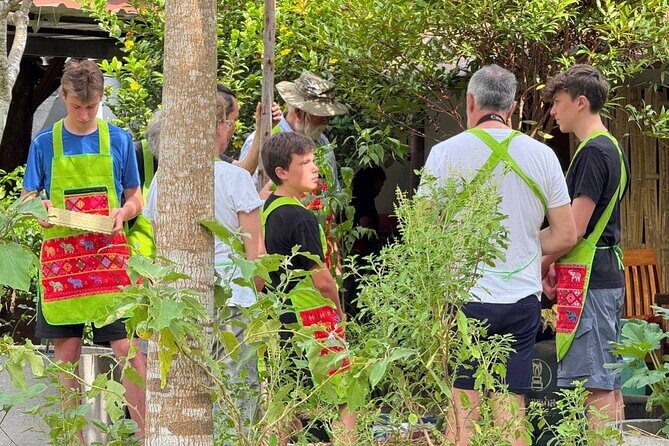
This is a half-day experience in Krabi that runs about 3 hours 30 minutes. The pacing is designed for learning and eating, not rushing. You cook, you taste, you adjust, then you eat the full set of dishes before heading back.
The format stays simple: your day starts with pickup from your hotel, then you head to the school. From there, you’ll be in a traditional Thai family-style cooking setup where everyone helps and everyone eats.
If you’re the kind of traveler who wants something practical (and not just another photo stop), this one hits. You’re not collecting “Thailand vibes.” You’re collecting technique.
Other cooking classes in Krabi
Hotel transfers that keep the day low-stress
The round-trip transfer is a big deal for Krabi trips. It means you don’t need to taxi around to track down where the class is happening. It also helps you time your day when you’re bouncing between Ao Nang beach time, the night market, and whatever else you planned.
Your start point is at Authentic Thai Cooking in Krabi. The activity ends back at the meeting point, with safe return included through the included transfer.
One small practical tip: keep your phone handy for pickup coordination. Several people have mentioned WhatsApp being useful for communication around pickup and drop-off timing.
The market angle: ingredients, spices, and Thai flavor logic
The experience is built around learning ingredients—especially the Thai ones you won’t recognize fast. The core idea is that your guide helps you connect what you see at the market with what you’ll cook later.
A lot of sessions include a market stop where you shop and learn about Thai vegetables, herbs, and spices. People have talked about guides pointing out items for the dishes you’ll make, and explaining how those ingredients show up in real Thai cooking.
That said, one group reported that their day went straight to the cooking school without the market portion. So treat the market as very likely, but not 100% guaranteed on every departure. If you’re planning around it, confirm your exact start plan before you go.
Step-by-step cooking in a traditional family-style setup
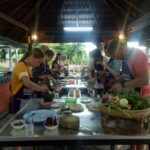
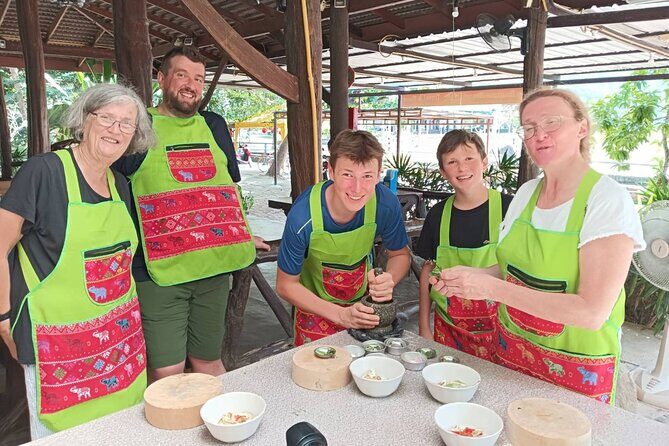
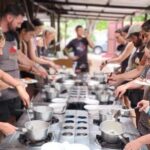
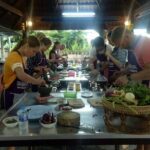
Once you arrive, you’ll cook and eat in a traditional Thai family style. The setting is an organic kitchen garden, and you’ll learn with a hands-on approach taught by the instructor.
This is where the class becomes more than a checklist of recipes. You’re learning how to think like a Thai cook: not just which dish to make, but how ingredient choices affect flavor and balance.
Expect plenty of participation. You’ll roll, stir, prep, and cook with guidance. And because the group size is limited, you can ask questions without waiting your turn forever.
The garden greens and why they matter
The school setup includes an organic garden, so you’re likely to encounter fresh herbs and greens you can smell and choose. In the cooking process, that freshness matters because Thai flavor relies heavily on herbs, aromatics, and balanced seasoning.
Even if you’ve had Thai food before, you may find that the herbs and the way you handle them changes the final taste. This is the kind of detail that doesn’t show up in most restaurant dishes.
If you love markets and you love food that tastes like it was made five minutes ago, you’ll probably appreciate this part more than you expect.
A few more Krabi tours and experiences worth a look



The exact dishes you’ll cook (and the options inside)
You’ll be cooking a set of courses with choice points, so your menu may look slightly different depending on what you pick with the instructor.
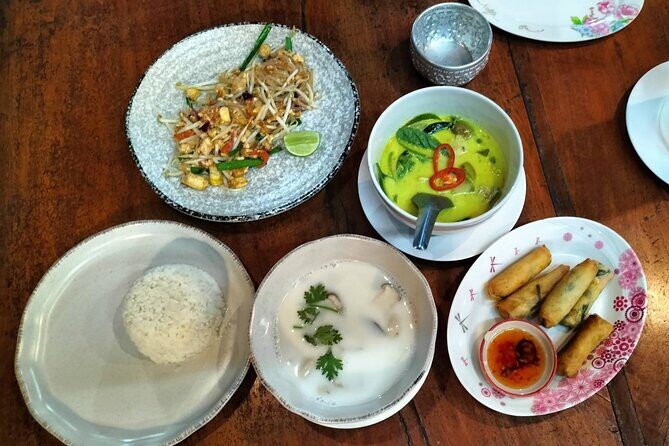
Here’s the lineup of what’s on the menu:
Appetizer: deep-fried spring rolls
Everyone prepares the deep-fried spring rolls. This is a great “warm-up” dish because you practice rolling and frying technique early. It also sets expectations for how hands-on the class really is.
Stir-fried dish: fried rice, Pad Thai, or holy basil chicken
For the main stir-fry style course, you can choose between:
- Fried rice with chicken
- Pad Thai
- Fried chicken with holy basil
This choice matters for taste and texture. Pad Thai and fried rice both lean on wok skills and timing, while holy basil chicken adds a sharper herbal punch.
Soup: hot & sour or coconut-based choices
You’ll pick one soup option from:
- Hot & sour prawns soup
- Chicken in coconut milk soup
- Local hot & sour chicken soup
Soups are a smart lesson for Thai cooking because they teach the balance between sour, spicy, salty, and savory. You’ll see how the base changes the whole meal.
Curry paste: green curry, Pha Naeng, or Kao Soi curry paste
Then you move into curry paste work. Your options include:
- Green curry (often called Gaeng Keow Wan)
- Pha Naeng curry paste
- Kao Soi curry paste
This is one of the most valuable parts of the class. Curry paste is not “just seasoning.” When you learn the foundation, you’ll understand how curry flavors build.
Curry: cook your chosen curry with chicken
Next is the curry course where you cook your selected curry with chicken. This is where you connect paste to final dish: heat control, simmering, and how the curry’s taste develops as it cooks.
Dessert: sweet sticky rice with mango
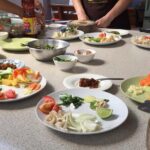
For dessert, everyone prepares sweet sticky rice with mango. It’s a classic Thai finish that balances the savory dishes and gives you a clean “how it should be” taste target.
What the instructors do that makes it click
A big theme you’ll likely notice in this kind of class is that instruction quality makes the difference between a fun meal and real learning. People have praised the instructors for being patient and fun, with clear guidance that helps you get the dishes right.
Names that have been mentioned include instructors like Gataii and New, and other leaders such as Ann, Mac, and Chris. You’ll likely feel like you’re cooking with someone who actually cares about explaining the food, not just turning you into a line cook for an afternoon.
One practical note: cooking can involve gas stoves with hot flames. If you’re traveling with children, plan for close supervision and keep in mind that the class is hands-on.
Convenience factors: water, alcohol, and what’s provided
Included in the class are:
- Hotel round-trip transfer
- Free drinking water
- Ingredients and instructions in English
- Recipe e-book (PDF)
Alcoholic beverages are not included. So if you want a cocktail with your curry education, plan to get it elsewhere.
The ingredients are part of what you’re paying for. That’s why this stays good value even if $37 seems low. You’re not just paying for “a recipe.” You’re paying for a full cooking setup, instruction, and the ingredients themselves.
Price and value: why $37 feels fair in Krabi
At $37 for about 3.5 hours, this class is priced like a true activity, not a souvenir experience. You’re getting:
- Pickup and drop-off
- A limited group setting
- English instruction
- Multiple cooked courses
- A PDF recipe e-book you can keep
For many people, the real win is the “repeat at home” part. If you cook even two of the dishes again later, you’ll likely feel like you got more than your money’s worth.
And if you’re comparing it to a dinner out, remember you’re getting an actual food lesson plus a meal. You’re leaving with both.
Who should book this cooking class
This is a great fit if you:
- Want to bring home real technique, not just memories
- Like Thai flavors and want to learn why they work
- Prefer a smaller group with time to ask questions
- Enjoy hands-on experiences more than passive sightseeing
It also works for families in some cases, since people have mentioned kids enjoying the process. Just keep in mind the kitchen involves hot cooking surfaces and stoves, so you’ll want to watch for safety.
If you’re short on time and hate the stress of arranging transport, the included transfers are a big reason to choose this over DIY cooking classes.
Small details that can save you a headache
A couple practical things can make the experience smoother:
- Come hungry. People have repeatedly warned that you’ll eat a lot, so don’t show up stuffed from breakfast.
- Plan for a warm kitchen. You’ll be actively cooking, so comfortable clothes help.
- If you care about the market portion, confirm your exact morning flow when you book.
Also, the mobile ticket is part of the setup, so have it ready on your phone.
Should you book Authentic Thai Cooking in Krabi?
Yes, if you want a hands-on Krabi food experience that teaches you more than what you’ll learn from ordering. The combination of small group cooking, hotel transfers, garden-fresh ingredients, and a take-home PDF recipe e-book makes the value straightforward.
Book it if you’re ready to cook, eat, and learn. Skip it (or confirm the exact schedule) if a market tour is the only part you care about, since a market start may vary by departure.
If you like the idea of learning curry paste and finishing with mango sticky rice, this is one of the easiest ways to turn your Krabi visit into something useful at home.