REVIEW · AO NANG
Krabi: Highlights Tour with Krabi Elephant Shelter
Book on GetYourGuide →Operated by Krabi Elephant Shelter · Bookable on GetYourGuide
Mud, gentle giants, and an ethical shelter. This Krabi experience lets you act like an elephant chef, then get right in the mix with mud-bathe and bath time—no sitting on their backs. I love that the shelter focuses on retired elephants from forestry operations and riding camps, using elephants in their daily life instead of work or riding. One catch: it’s hands-on and messy, and the time with them is only about two hours, so bring your patience and your swimwear.
My favorite part is the “support cast” around the visit: your guide keeps things organized, and you get professional photo coverage to capture the day without turning it into a sweaty selfie contest. If you’re prone to motion sickness or strongly dislike messy water, plan your expectations first. This tour is designed for getting close and getting wet.
In This Review
- Key highlights you’ll feel immediately
- What You’re Doing With the Elephants (And What You’re Not)
- Krabi Elephant Shelter’s Mission: Why the “No Work, No Riding” Rule Matters
- A Real 2-Hour Flow: Feeding, Mud Bath, River Bath, and Shower Bath
- 1) Arrival and intro with your guide
- 2) Elephant chef moment: feeding
- 3) Mud bath: get dirty on purpose
- 4) River bath: a natural jungle water break
- 5) Shower bath: the day ends with a clean finish
- 6) Warm goodbye and photos
- Who’s Making This Work: Guides, Mahouts, and Elephant Personalities
- The Practical Stuff That Determines Your Comfort (And Your Photos)
- What you should bring
- What you should know about footwear
- Showers, lockers, and keeping belongings sane
- Photos: you get the coverage
- Price and Value: Is $54 for 2 Hours Worth It?
- Pickup and Timing: How to Avoid the Start-of-Day Stress
- Who This Tour Suits Best (And Who Should Think Twice)
- Consider skipping if:
- Should You Book Krabi Elephant Shelter Highlights Tour?
- FAQ
- FAQ
- How long is the Krabi Elephant Shelter highlights tour?
- Is elephant riding included?
- What’s included in the price?
- Where do pickups happen, and where do island or Railay guests meet?
- What should I bring for the tour?
- Do I need my passport number?
- Is it suitable for wheelchair users, and is alcohol allowed?
Key highlights you’ll feel immediately
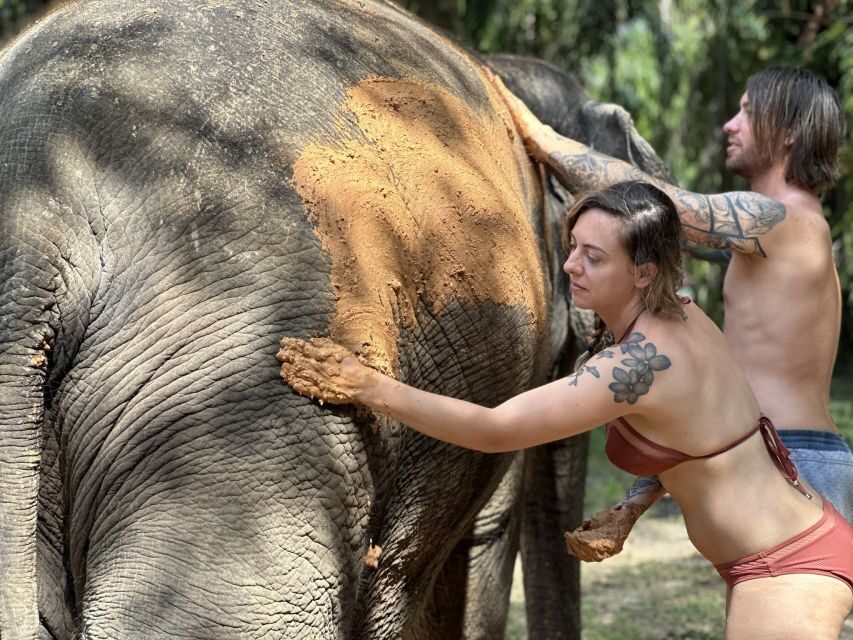
- You’re not riding: feeding, mud splashing, and bathing are the main event.
- An elephant-shelter setup: elephants live here as a second home, not as a show.
- A real jungle river bath: the setting makes the water time feel natural rather than staged.
- Guide-led, step-by-step flow: you’re guided through each activity so you know what’s happening.
- Photo coverage is included: you’ll get photos after the tour via a link.
What You’re Doing With the Elephants (And What You’re Not)
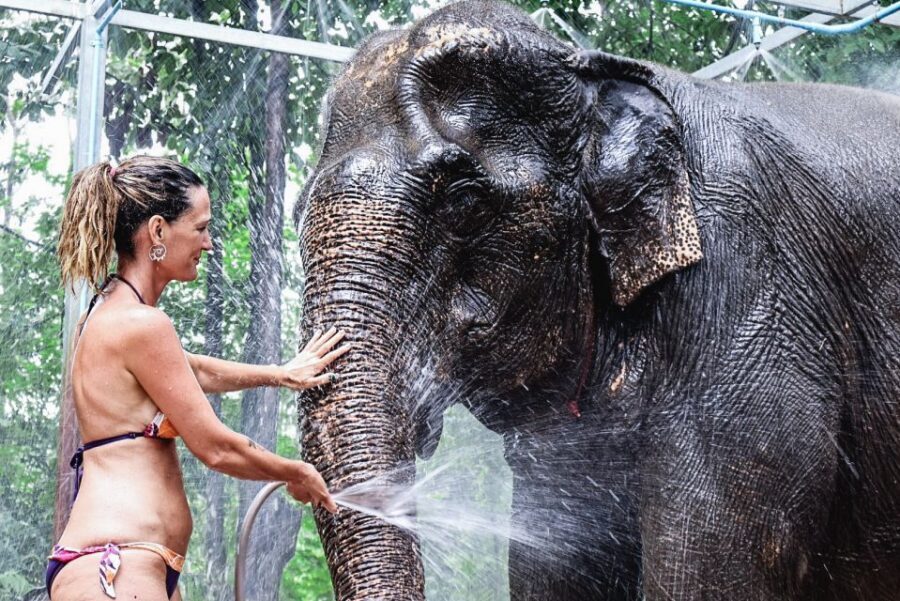
This is a highlights-style visit built around three big moments: feeding, mud play, and bathing. You start by learning the basics of how to interact safely and respectfully, then you move through the experience like an elephant helper—offer food, watch personalities emerge, and get involved when the water and mud begin.
No riding is the point here. Instead of turning elephants into a vehicle, the shelter uses elephants as living partners in their daily routines. That changes the vibe in a big way. It feels less like a performance and more like learning how these animals live.
Other Krabi tours we've reviewed in Ao Nang


Krabi Elephant Shelter’s Mission: Why the “No Work, No Riding” Rule Matters
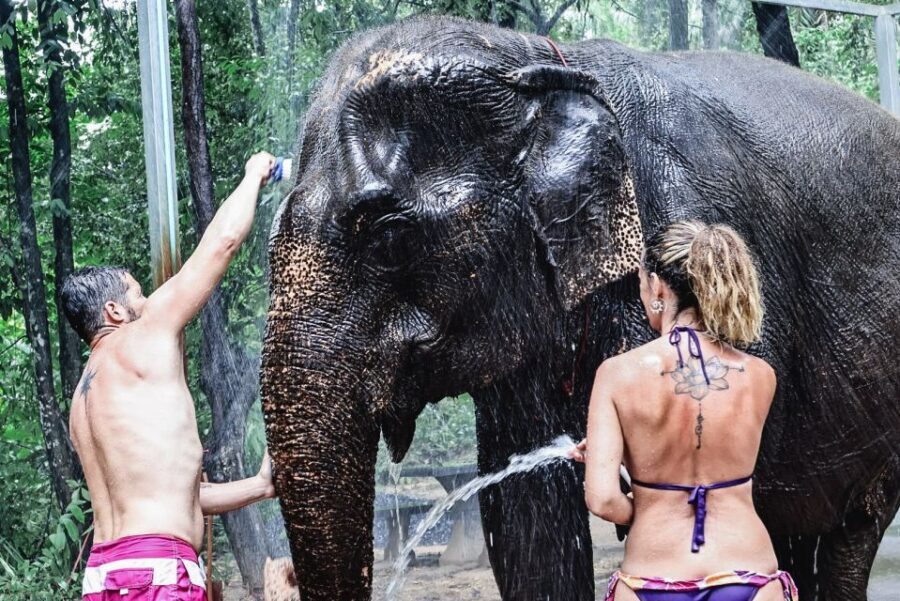
The Krabi Elephant Shelter was built as a second home for elephants that faced hard treatment in forestry operations and riding camps. The idea is simple: elephants are treated as elephants. They’re not asked to carry people. They’re not forced into tricks.
The elephants currently living there have previously had to cohabit with humans, so they’re generally accustomed to human presence and behavior. For you, that usually means the experience can be structured and calm—more time focused on feeding and bathing than constant stress management.
A useful thing to know: the guides emphasize that elephants can be warm, hot, and hungry. That’s not just a warning. It explains why the shelter keeps the flow organized and the interaction purposeful. You’re not “visiting a zoo.” You’re meeting animals in their day, and your role is to support that routine.
A Real 2-Hour Flow: Feeding, Mud Bath, River Bath, and Shower Bath
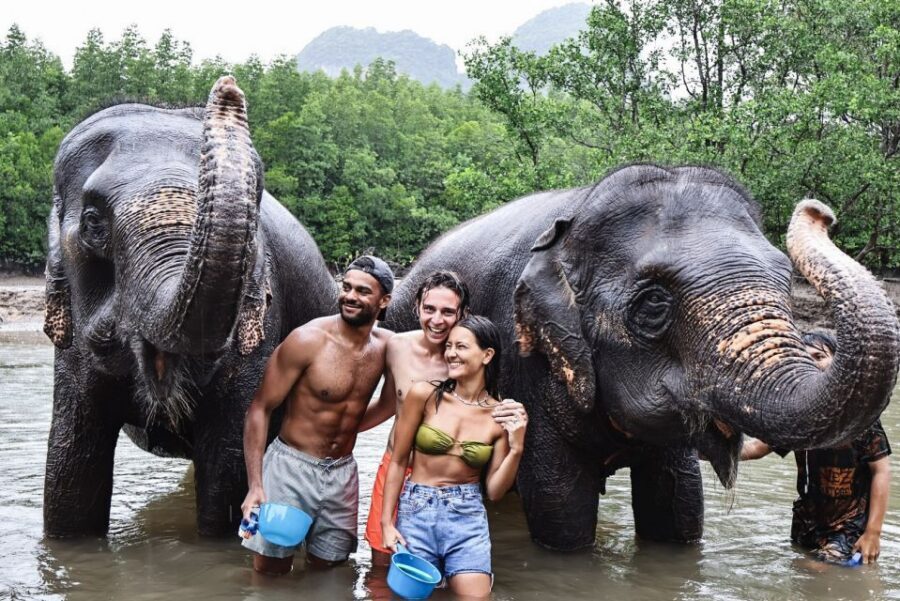
This tour runs about 2 hours, which sounds short until you see the rhythm. You’ll move through the activities with enough time to feel connected, but not so long that it drags or becomes tiring.
1) Arrival and intro with your guide
Pickup brings you in from your area (details below). Once you’re at the shelter, you’ll meet your guide and get briefed before you go anywhere near the elephants. Expect English and Thai guidance.
You’re also set up for comfort: you’ll have coffee, tea, drinking water, and seasonal fruit included, and there’s refreshment during the experience. You’ll also want to treat this like a water-and-mud morning or afternoon, not a dry sightseeing stop.
2) Elephant chef moment: feeding
This is the first “bonding” step. You’ll get involved with feeding, guided through how to offer food around the elephants safely. The shelter’s whole point is that elephants live with daily care needs, and feeding is part of that.
This part matters because feeding is interactive in a way that doesn’t require you to handle the elephants directly. You get up close, you watch their personalities, and you get a feel for how calm attention works compared with busy handling.





3) Mud bath: get dirty on purpose
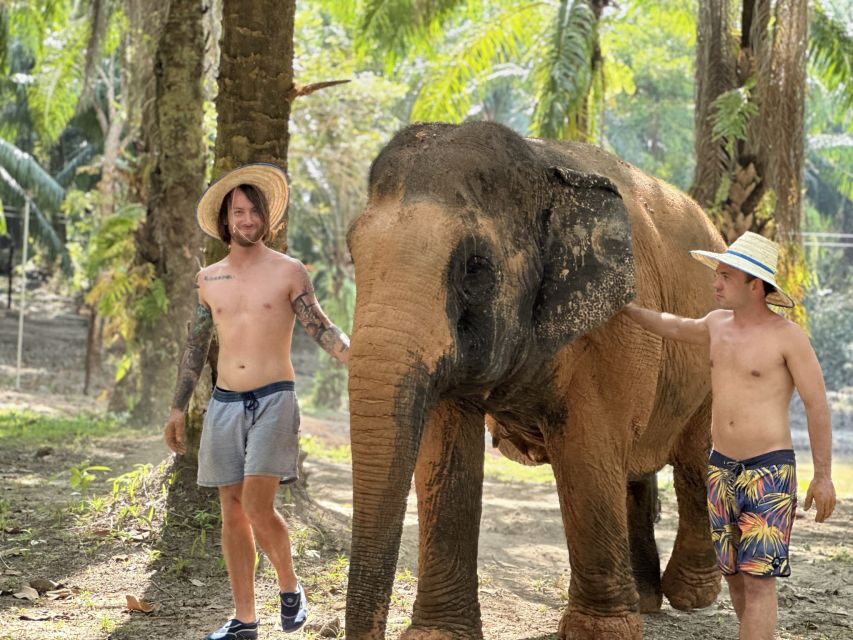
Then comes the part that turns your nice day plan into a muddy adventure: splashing and rolling in the mud. It’s playful, but it’s also practical—mud bathing is natural behavior, and you’re joining in rather than forcing an unnatural routine.
Bring (or buy) water shoes and change clothes. Old clothes help because mud is stubborn. And yes, you’ll likely feel the temperature difference once you’re in the wet areas.
4) River bath: a natural jungle water break
Next is river bathing. The elephant bathing happens in a natural jungle river setting. That’s a big deal for the feel of the experience. The environment helps the bathing moment feel part of the elephants’ world, not just a pool time curated for visitors.
This is also where the scenery does work for you. You’ll get those memorable “I can’t believe I’m this close” moments with jungle surroundings as your backdrop.
5) Shower bath: the day ends with a clean finish
The tour doesn’t just end at mud. You’ll also experience a “shower bath” moment with the elephants. This adds a practical wrap-up: you get to see how they move from mud play into being washed and cared for.
6) Warm goodbye and photos
At the end, you bid a heartwarming goodbye. Throughout the tour, photos are taken and included—you’ll access them after the experience via a link.
And you’ll likely notice the team focuses on capturing what you’re doing, not just posing. There are also moments where you’ll get more than one photo angle because the staff document the activities during the day.
Who’s Making This Work: Guides, Mahouts, and Elephant Personalities
The “people factor” can make or break an animal experience. Here, the guide role is very active: they explain what’s happening and help you interact appropriately, so you’re not guessing in a moment that could otherwise feel overwhelming.
You may meet guides with names like Nui, who comes across as passionate and very informative. You’ll also spend time around mahouts and shelter staff who support elephant care and guide the flow of the day.
One of the best parts is that the experience is not just generic “elephant time.” You get to learn elephants’ names and personality traits, which turns a simple feeding session into something more meaningful. It helps you remember the individual animals, not just the activity.
The Practical Stuff That Determines Your Comfort (And Your Photos)
This tour is built for wet participation. So your comfort depends on planning your kit.
What you should bring
The essentials are clearly listed:
- Swimwear
- Change of clothes
- Towel
- Sunscreen
- Insect repellent
- Water shoes
- Cash
- Passport number (passport needed for the insurance form; a copy is accepted)
A quick reality check: “cash” can matter for small purchases like water shoes on-site. If you forget, you may have to improvise.
What you should know about footwear
Water shoes are not included in the tour price. You can purchase them at the shelter location, or bring your own. You’ll be walking on ground during parts of the activity, so don’t treat this like flip-flops territory.
Showers, lockers, and keeping belongings sane
You’ll use shower facilities as part of the experience. Some visits also include private locker storage for your belongings, which is a huge quality-of-life factor when you’re mixing mud with phones and dry clothes.
Photos: you get the coverage
The tour includes photos, accessible after the tour through a link. People often mention fast turnaround and good quality—so if you like to document your trip but hate doing it all day, this is a relief.
Price and Value: Is $54 for 2 Hours Worth It?
At $54 per person for about 2 hours, this price lands in the “fair value” category because you’re not only paying for elephant access. You also get:
- Hotel pickup and transfer (in the included areas)
- A live guide
- Feeding and bathing equipment
- Coffee, tea, drinking water, and seasonal fruit
- Photos included after the tour
The real value lever here is the structure. This is not a quick roadside stop. The shelter is set up for humane care, and the activities are designed around that mission—feeding and bathing instead of rides.
Will it feel pricey if you compare it to a random half-day tour that’s mostly just transportation? Maybe. But if your goal is a meaningful elephant encounter with organized interaction, this tends to work out better than cheap options that focus on “doing the most touristy thing” fast.
Pickup and Timing: How to Avoid the Start-of-Day Stress
Pickup is included, but only in certain zones. The tour partner picks up from:
- Ao Nang
- Klong Muang Beach
Krabi Town has an extra fee, which you can arrange directly with the provider.
If you’re coming from an island, Centara Grand Beach, or Railay, you meet at one of these piers:
- Nopparat Thara Pier
- Nong Nuch Pier
- Ao Nam Mao Pier
- Ao Nang Pier
Pickup times are set as:
- 09:20 for the morning slot
- 13:20 for the afternoon slot
The driver holds a sign of Krabi Elephant Shelter. They’ll pick you up from your hotel or a specific agreed location. Timing matters: they wait no longer than 5 minutes after the scheduled pickup time, and you should be ready in the hotel lobby 10 minutes early.
Also, make sure the phone number you provide is a Thai number or uses WhatsApp. International numbers can’t be called.
Who This Tour Suits Best (And Who Should Think Twice)
This fits well if you want:
- A short, well-paced elephant encounter
- Hands-on feeding and bathing
- A no-riding experience with a shelter focus
- A family-friendly nature setting where the elephants are part of the landscape of the day
It can be especially good for couples who want something memorable without committing to a full day. The tour length also means you won’t lose your whole schedule to one activity.
Consider skipping if:
- You use a wheelchair (not suitable)
- You have an animal allergy (not suitable)
- You’re not comfortable with getting muddy and wet
- You’re pregnant or have health conditions that could make water activity harder (you should let the team know in advance)
And one more thing: alcohol and drugs aren’t allowed.
Should You Book Krabi Elephant Shelter Highlights Tour?
Book it if your priority is respectful elephant interaction, not riding. If you want a structured, guided day where you feed elephants, roll in mud, and end with bathing—plus drinks and included photo coverage—this is a strong match for most people.
Don’t book it if you need a dry, low-participation activity. This tour is meant for getting involved. If you hate mess, forget the idea of staying pristine. Also take the suitability rules seriously: wheelchair access isn’t offered, and animal allergies mean you should choose something else.
FAQ
FAQ
How long is the Krabi Elephant Shelter highlights tour?
The tour lasts about 2 hours.
Is elephant riding included?
No. This experience focuses on feeding and bathing activities rather than riding elephants.
What’s included in the price?
You get hotel transfer (in the included pickup zones), a guide, feeding and bathing activities and equipment, coffee/tea/drinking water/seasonal fruit, and photos accessible via a link after the tour.
Where do pickups happen, and where do island or Railay guests meet?
Pickup is included for Ao Nang and Klong Muang Beach. Krabi Town has an extra fee. Guests from islands, Centara Grand Beach, or Railay meet at one of these piers: Nopparat Thara Pier, Nong Nuch Pier, Ao Nam Mao Pier, or Ao Nang Pier.
What should I bring for the tour?
Bring swimwear, a change of clothes, a towel, sunscreen, insect repellent, water shoes (or plan to purchase them on-site), and cash. You’ll also need passport details for an accident insurance form.
Do I need my passport number?
Yes. You’ll need your passport number to fill out the accident insurance form at the shelter. A copy of your passport is accepted.
Is it suitable for wheelchair users, and is alcohol allowed?
The tour is not suitable for wheelchair users, and it’s also not suitable for people with animal allergies. Alcohol and drugs are not allowed.