REVIEW · KRABI
Krabi: Cooking Class at Thai Charm Cooking School with Meal
Book on GetYourGuide →Operated by Oh-Hoo · Bookable on GetYourGuide
Your Krabi afternoon smells like curry paste.
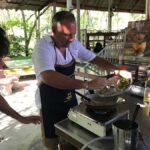
This hands-on class at Thai Charm Cooking School is built around a small group and a choose-your-menu format, so you’re not stuck making one set itinerary. With Penny leading (she’s funny, fast, and clear), you’ll learn how Thai flavors are built, not just copied.
I especially love two parts. First, I like that you make the foundation yourself—pounding curry paste and using it to build curries with chicken. Second, I love the payoff: you cook, eat, and leave with a recipe book and a certificate, plus plenty of food in front of you.
One consideration: this is a lot of eating. If you come with a tiny appetite, you might feel overly full—plan for it.
In This Review
- Key things to know before you go
- Where the day starts: meeting points and getting to Thai Charm Cooking School
- Choosing your 5 savory dishes and 2 desserts without getting overwhelmed
- The curry paste workshop: the skill that actually travels home with you
- Soup, stir-fry, and spicy salad: how the meal gets built (and timed)
- Soup
- Stir-fried dishes
- Spicy Thai salads
- Tasting along the way
- Dessert time: mango sticky rice and banana in coconut milk
- What you eat, what you take home, and why this class feels like real value
- Price vs. what you’re actually getting at $50 per person
- Who should book this cooking class (and who should think twice)
- Should you book this Krabi cooking class at Thai Charm Cooking School?
- FAQ
- How long is the cooking class?
- Is pickup included?
- What dishes can I choose?
- What desserts are included?
- Is this a small group?
- Is it suitable for children or people with mobility impairments?
Key things to know before you go
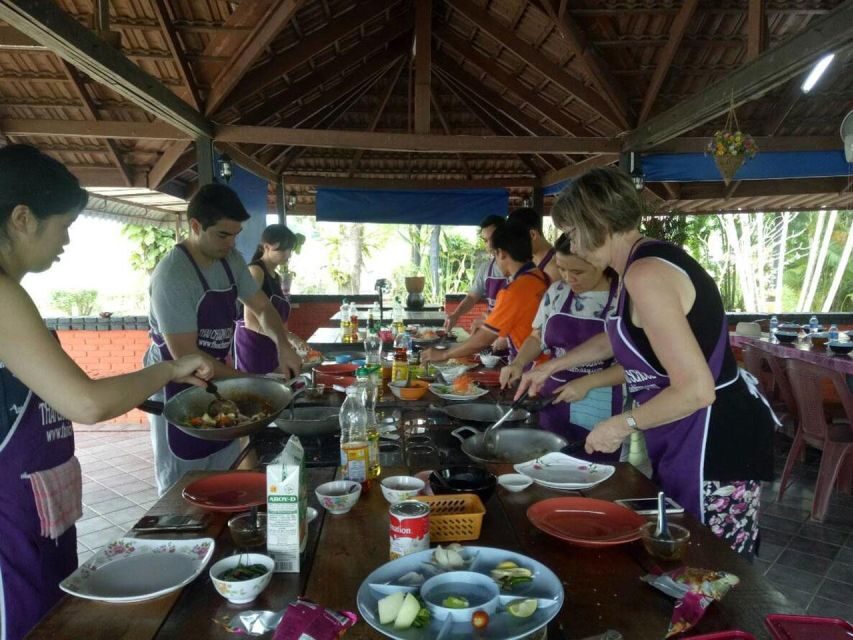
- Penny runs the class and keeps it high-energy, so even non-cooks feel at ease
- You choose up to 5 savory dishes and 2 desserts from a menu with more than 15 options
- Curry paste is a hands-on skill (green, red, and Phanang styles) that ties multiple dishes together
- Portions are generous—you’ll finish the meal, and many people bring leftovers home
- Pickup and transport are strong with punctual, comfortable roundtrip transfers
- Beginner-friendly teaching focuses on how ingredients work across dishes
Where the day starts: meeting points and getting to Thai Charm Cooking School
The experience is designed as a smooth half-day, not a hop-on-your-own-tuk-tuk adventure. Your day begins with a roundtrip transfer, and pickup is available for hotels in Krabi Town or Ao Nang (the transfer requires a minimum of two people).
You’ll want to show up early—meet your guide at your hotel lobby at least 10 minutes before pickup. If you’re more than 10 minutes late, the guide may move on, which can throw off the whole schedule.
A few location-specific details matter if you’re staying outside the main zones:
- If you’re at Centara Grand Beach Resort & Villas, use the hotel shuttle boat to Nopparat Thara Pier in Ao Nang.
- If you’re at Railay Beach, your pickup starts from the boat ticket office at Ao Nam Mao Pier, then you’ll take a short longtail boat ride.
- If you’re in Ton Sai, you’ll meet at Phra Nang Inn reception in Ao Nang.
In practice, this transport setup is a big part of the value. The class is only 4 hours total, so losing time to getting there on your own would feel like a waste. The transport is also a consistent win—many people rate it very highly, including a large share who reported a perfect score.
Other Krabi tours we've reviewed in Krabi



Choosing your 5 savory dishes and 2 desserts without getting overwhelmed
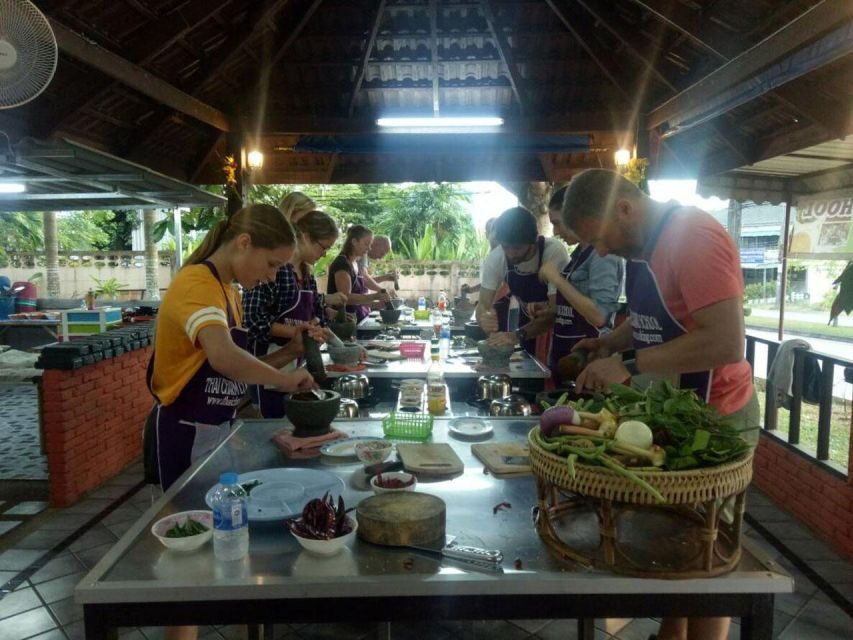
The menu is big enough to feel fun—then structured enough to keep you from making 40 decisions. In the class, you can pick up to 5 dishes plus 2 desserts from more than 15 options. That’s how you end up with a meal that can easily feel like 7 courses.
You’ll see the menu grouped by type, which makes it easier to plan a balanced plate:
Soup options
- Hot and Spicy Prawn Soup
- Chicken in Coconut Milk Soup
- Hot and Sour Soup
Stir-fried options
- Pad Thai
- Chicken with Cashew Nuts
- Chicken with Ginger
Salad options (the spicy ones)
- Papaya Salad
- Cucumber Salad
- Green Long Bean
Curry paste (and then curry)
- Green Curry Paste
- Red Curry Paste
- Phanang Curry Paste
Curry with chicken
- Green Curry
- Red Curry
- Phanang Curry
Desserts
- Sticky Rice with Mango
- Banana in Coconut Milk
Here’s the smart way to choose: build around one core flavor family. For example, if you pick a curry paste (green, red, or Phanang), you’ll see how that paste becomes the heart of the curry. Then you can round out the meal with one noodle/stir-fry and one salad for contrast.
One note on dietary needs: the class can handle vegan or vegetarian adjustments, including tofu substitutions, if you ask. If that matters to you, confirm early so your station and ingredients are set up correctly.
The curry paste workshop: the skill that actually travels home with you
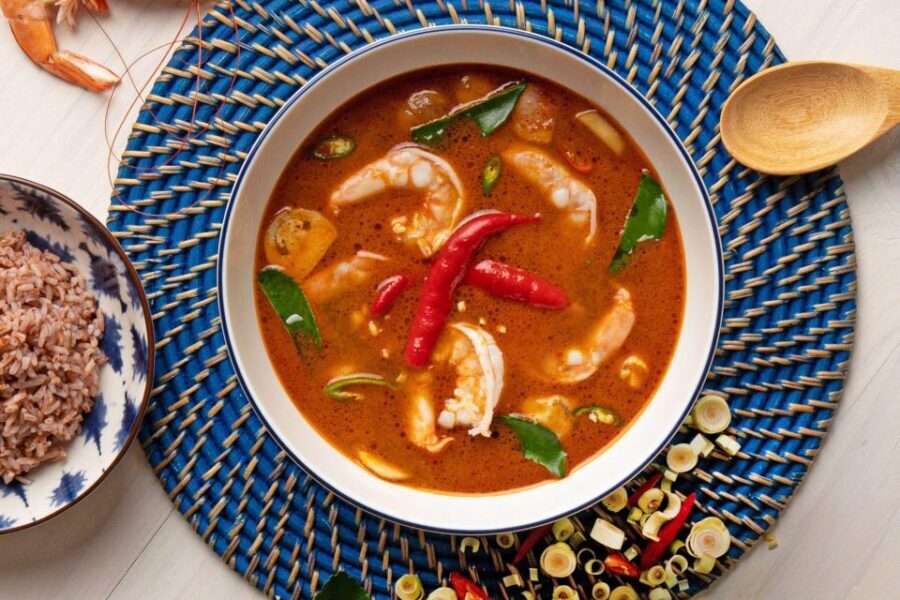
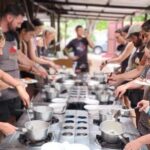
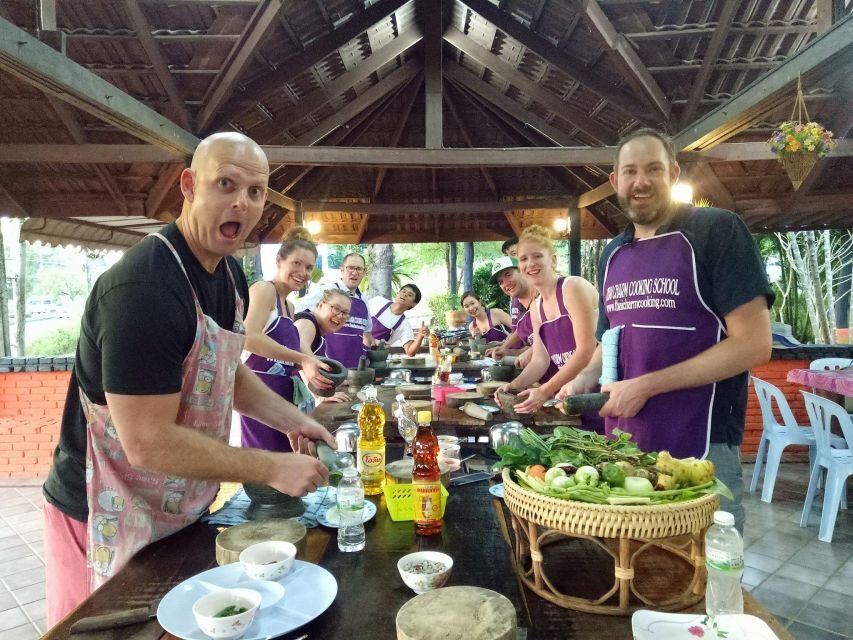
The heart of the class is the curry paste step. You don’t just watch someone else measure spices—you get hands-on with the paste itself, including green, red, and Phanang versions.
This matters for two reasons:
- Thai curry paste isn’t just flavor. It’s structure. When you learn what goes into it and how it behaves, other dishes make more sense.
- Most home kitchens won’t have Thai convenience shortcuts. Building paste (or even approximating it) gives you the closest possible route to real flavor.
In the classroom flow, you’ll start with fruit and preparation tied to spicy salads, then move into the cooking stations where your chosen dishes come together. Many classes prep some components ahead, and this one does too—so you’re not stuck waiting while a whole bowl of vegetables is chopped from scratch.
Expect an approach that’s part lesson, part coaching. Penny’s teaching style is patient and practical, and she breaks down instructions in a way that helps you remember the pattern: same ingredients, different ratios, different direction. That’s how you can leave feeling confident rather than just full.
A bonus: once you’ve made paste and turned it into curry, the rest of the meal feels like a set of connected skills, not isolated recipes. That’s the difference between a fun cooking demo and a class you’ll use after you’re back home.
Soup, stir-fry, and spicy salad: how the meal gets built (and timed)
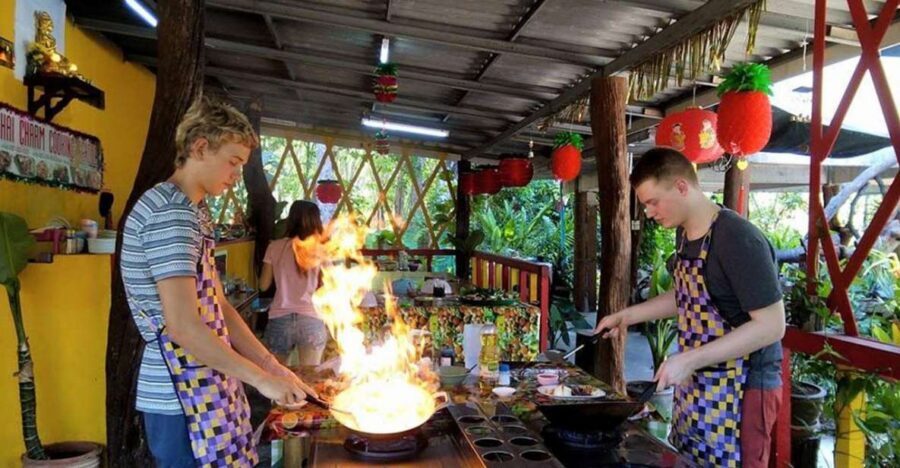
Thai food is all about contrast. In this class, you’ll experience that through multiple categories, each with its own flavor job.
Soup
You’ll make one of the soup choices from the menu—options include hot and spicy prawn soup, chicken in coconut milk soup, or hot and sour soup. Soups are where you learn balance: heat, sourness, and saltiness need to sit together. It’s also a great way to understand why Thai cooking uses layering instead of one single magic seasoning.
Other cooking classes in Krabi

Stir-fried dishes
You might choose Pad Thai, chicken with cashew nuts, or chicken with ginger. Stir-frying is the pace-maker. It teaches you timing and how to keep sauce and aromatics tasting fresh instead of heavy. This is also where you’ll start noticing that the same flavor players show up again and again, just rearranged.
Spicy Thai salads
Salads in Thai cooking are not side dishes—they’re flavor systems. The class includes fruits and preparation of spicy Thai salads, and you’ll make one of these:
- Papaya salad
- Cucumber salad
- Green long bean
If you’ve ever found papaya salad too sharp or too sweet when you try to copy it at home, this is the fix. You learn how Thai-style salads lean on fresh crunch plus a carefully tuned balance of salty, sour, sweet, and heat.
Tasting along the way
You’re not waiting until the end with only the smell. There’s also food tasting included. That helps you adjust your instincts before the final plating.
Dessert time: mango sticky rice and banana in coconut milk
Two desserts are included, and the options are classic Thai comfort:
- Sticky rice with mango
- Banana in coconut milk
Dessert here isn’t an afterthought. The class is set up so you can move into sweetness without losing the lesson momentum. Mango sticky rice teaches the texture side of Thai cooking—sticky rice isn’t just cooked rice, it’s a specific texture goal. Banana in coconut milk gives you the creamy side, where sweetness and coconut richness have to feel smooth, not cloying.
If you’re thinking you’ll be too full by dessert: you might be wrong. The class is paced with plenty of help in chopping, portioning, and prep, so you’re often finishing these last steps without spending the whole session stuck at the stove.
What you eat, what you take home, and why this class feels like real value
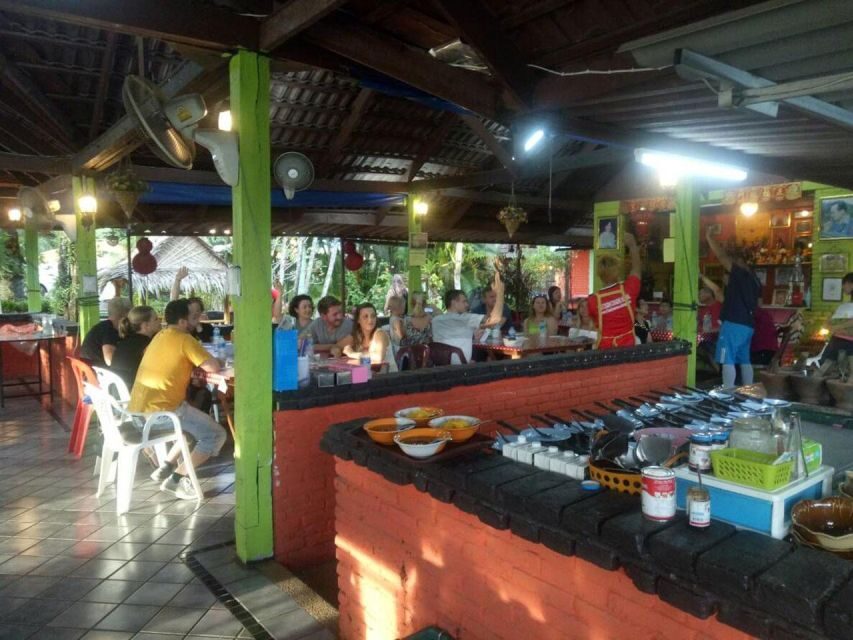
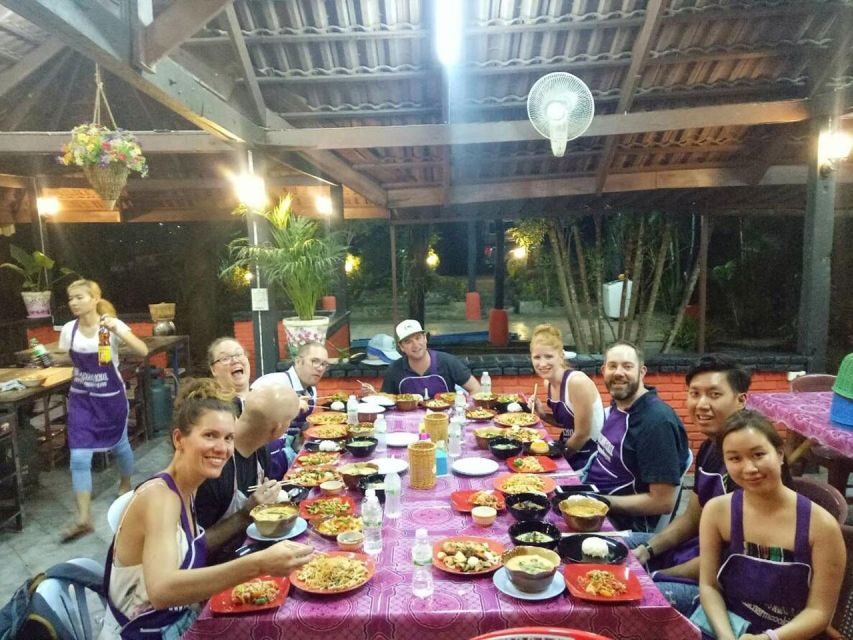
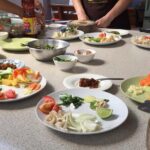
This isn’t just a snack-and-learn event. You cook enough to end up with a full meal. Highlights also mention an authentic feast of 7 Thai dishes, and the experience is structured so you sit down and eat what you made.
What really boosts the value is the combo of:
- Hotel transfers (roundtrip)
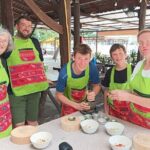
- A small group limited to 10 participants
- Hands-on curry paste work
- A meal you made yourself
- Take-home materials: a recipe book and a certificate
In the reviews, people repeatedly mention that there’s a lot of food, often with leftovers to pack up. If you’re worried about waste, plan to bring a container or accept that you’ll be taking something home.
You also get written support. A recipe book is included, and many guests report receiving follow-up photos and recipe info after class (like ingredient visuals and steps) via messaging. That’s useful because Thai cooking can be hard to remember from memory, especially for sauces and paste.
Price vs. what you’re actually getting at $50 per person
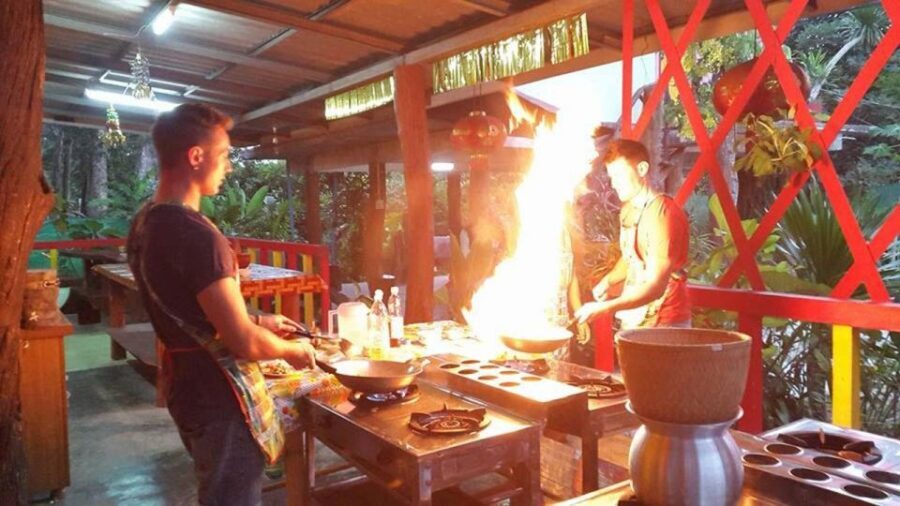
At $50 per person for a 4-hour class with transfers, the real question is whether you’re paying for food alone or for the teaching-to-food ratio.
Here’s what you’re getting for the money:
- A guide who talks you through the steps (not just demonstrates)
- Time to choose from many dishes, instead of one fixed set
- Hands-on curry paste, plus cooking multiple categories (soup, stir-fry, salad, curry)
- Dessert-making too
- A finished meal, not a token tasting
- Recipe book and certificate
Also, the transport factor is meaningful. If you’ve got to organize your own rides across Ao Nang, Krabi Town, Railay, or Ton Sai, you lose time and energy. This class builds that into the price.
If you compare it to the cost of buying several Thai meals plus dessert plus a guided experience, it starts to look like a fair deal—especially because the recipe book and certificate extend the value beyond the day.
One small tip for better value: come hungry. You’ll fill your plate multiple times, and that’s kind of the point.
Who should book this cooking class (and who should think twice)
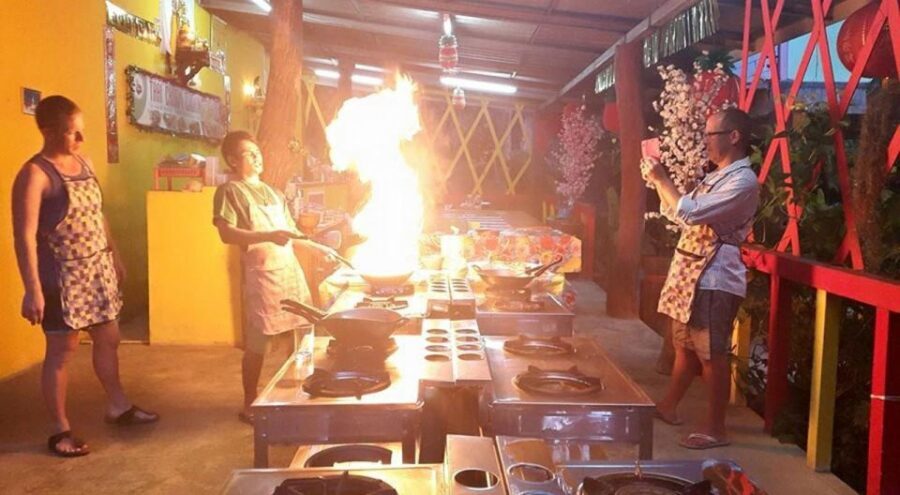
This fits best if you:
- Want a true hands-on cooking lesson, not just watching someone cook
- Like Thai food and want to understand how dishes connect
- Travel with a partner or friends and want a small group experience
- Appreciate clear instruction and a guide who keeps things fun and manageable
It can also work well for beginners. The instruction approach is designed to help you follow steps and learn patterns, even if you don’t cook at home much.
You might think twice if:
- You want a light snack experience (this class can leave you very full)
- You’re traveling with children under 12, since it isn’t suitable for them
- You have mobility impairments, since it’s not listed as suitable
If you care about spice level or dietary changes, you’ll likely be able to adjust—just let them know in advance so your station is set up correctly.
Should you book this Krabi cooking class at Thai Charm Cooking School?
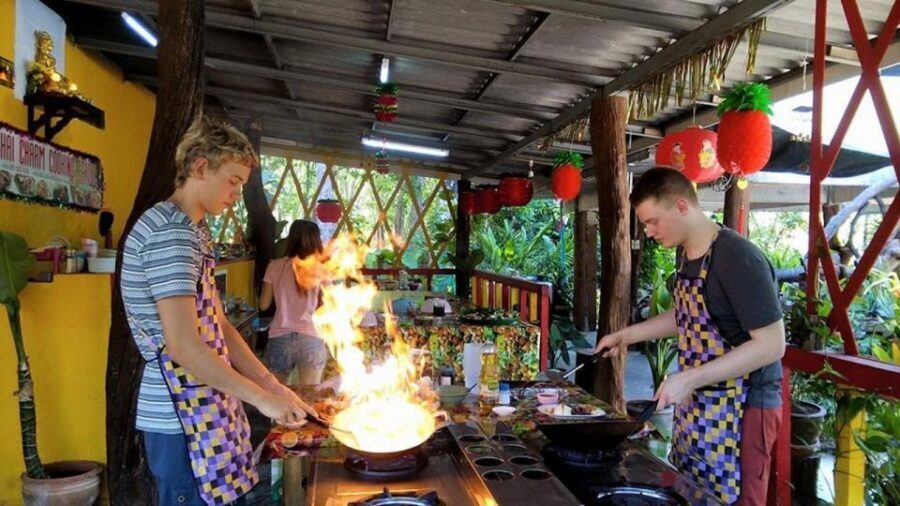
Yes, if you want a cooking class that teaches you enough to repeat at home. The winning mix is Penny’s teaching style, the hands-on curry paste foundation, and the fact that you leave with both food in your belly and a recipe book plus a certificate.
I’d book it when your schedule allows a half day, and you’re staying around Krabi Town or Ao Nang (because the transfer is already planned). Bring your appetite, ask about dietary needs ahead of time, and pick dishes that cover categories—soup, stir-fry, salad, curry, plus dessert. That way you get the full Thai flavor system, not just one taste.
If you’re looking for a relaxed evening activity, or a cooking class where you can actually learn the why behind the taste, this one is an easy yes.
FAQ
How long is the cooking class?
The class duration is 4 hours.
Is pickup included?
Yes. Roundtrip transfer is included from Krabi Town or Ao Nang, and pickup is available for hotels within those areas.
What dishes can I choose?
You can choose up to 5 savory dishes and 2 desserts from a menu with over 15 options.
What desserts are included?
The desserts are sticky rice with mango and banana in coconut milk.
Is this a small group?
Yes. The group is limited to 10 participants.
Is it suitable for children or people with mobility impairments?
No. It is not suitable for children under 12 years, and it’s also not listed as suitable for people with mobility impairments.